Riverwood sits where Salt Pan Creek meets the Georges River, postcode 2210, and its post-war bungalows and rebuild sites need a compliant termite barrier closed off before the slab is poured.
Yes, a new home in Riverwood needs a termite management system. It is a termite-prone part of Sydney, so the NCC requires a compliant system installed to AS 3660.1, with collars and under-slab work done before the pour. The durable notice for the meter box and the installation certificate for the certifier both follow, and are needed before the Occupation Certificate.
Termite barriers in Riverwood
Why Riverwood builds need the barrier in before the pour
Riverwood is split between Georges River Council and the City of Canterbury-Bankstown, about 17 km south-west of the CBD in postcode 2210. The suburb was renamed from Herne Bay in 1957, after the site of a wartime army hospital became public housing, and post-war apartment blocks and bungalows spread through the streets, with private housing filling in the southern sections later. Riverwood station sits on the East Hills line, Riverwood Plaza anchors the shops, and the M5 Motorway cuts through the suburb. Most current work on the ground is knockdowns and rebuilds of those original bungalows, plus granny flats on the larger southern blocks, and each one needs a compliant barrier before the pour.
Salt Pan Creek, with mangroves along its banks, meets the Georges River right at Riverwood's edge, and that low, tidal ground keeps soil damp well back from the water itself. Subterranean termites forage through soil like that looking for timber, and a slab going down near the creek corridor needs every penetration and slab edge properly collared and sealed. The suburb's original post-war bungalows, many now due for rebuild, already carry decades of sub-floor timber that termites have had time to find, so what is already on the block matters as much as the new barrier.
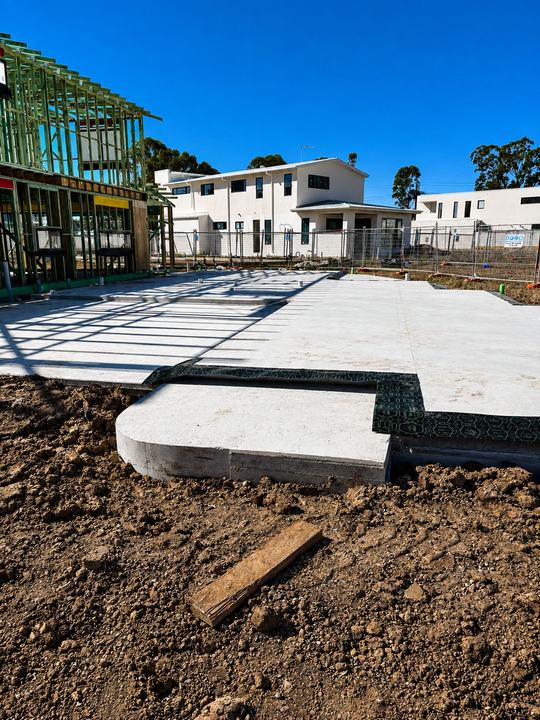
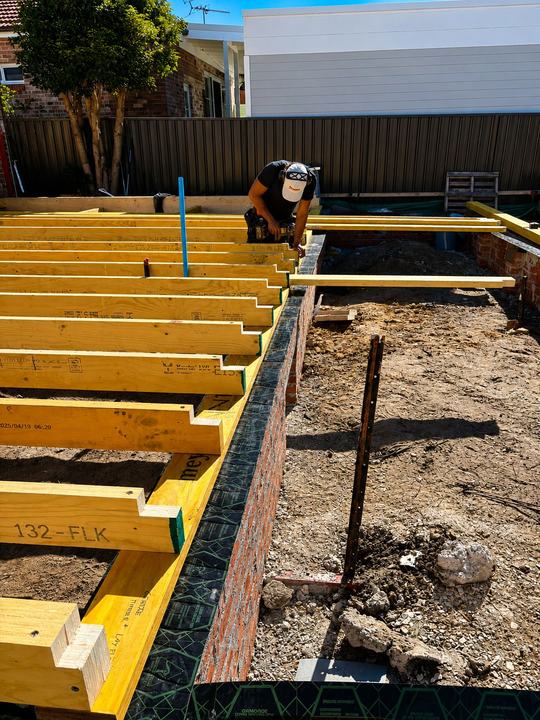
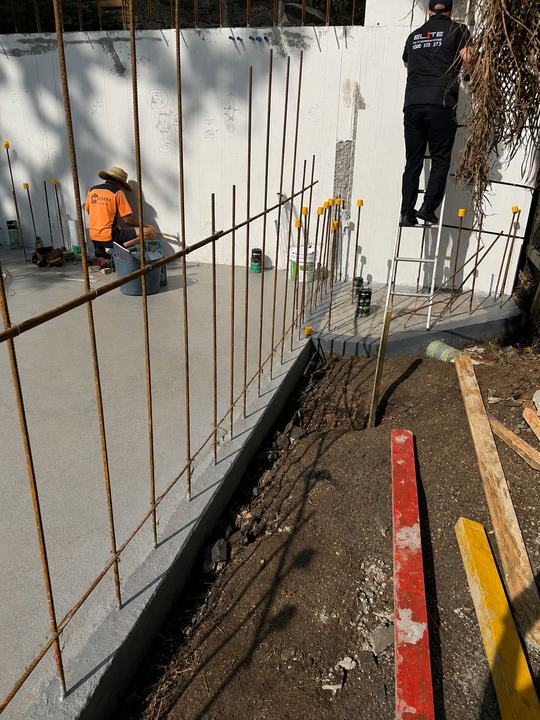
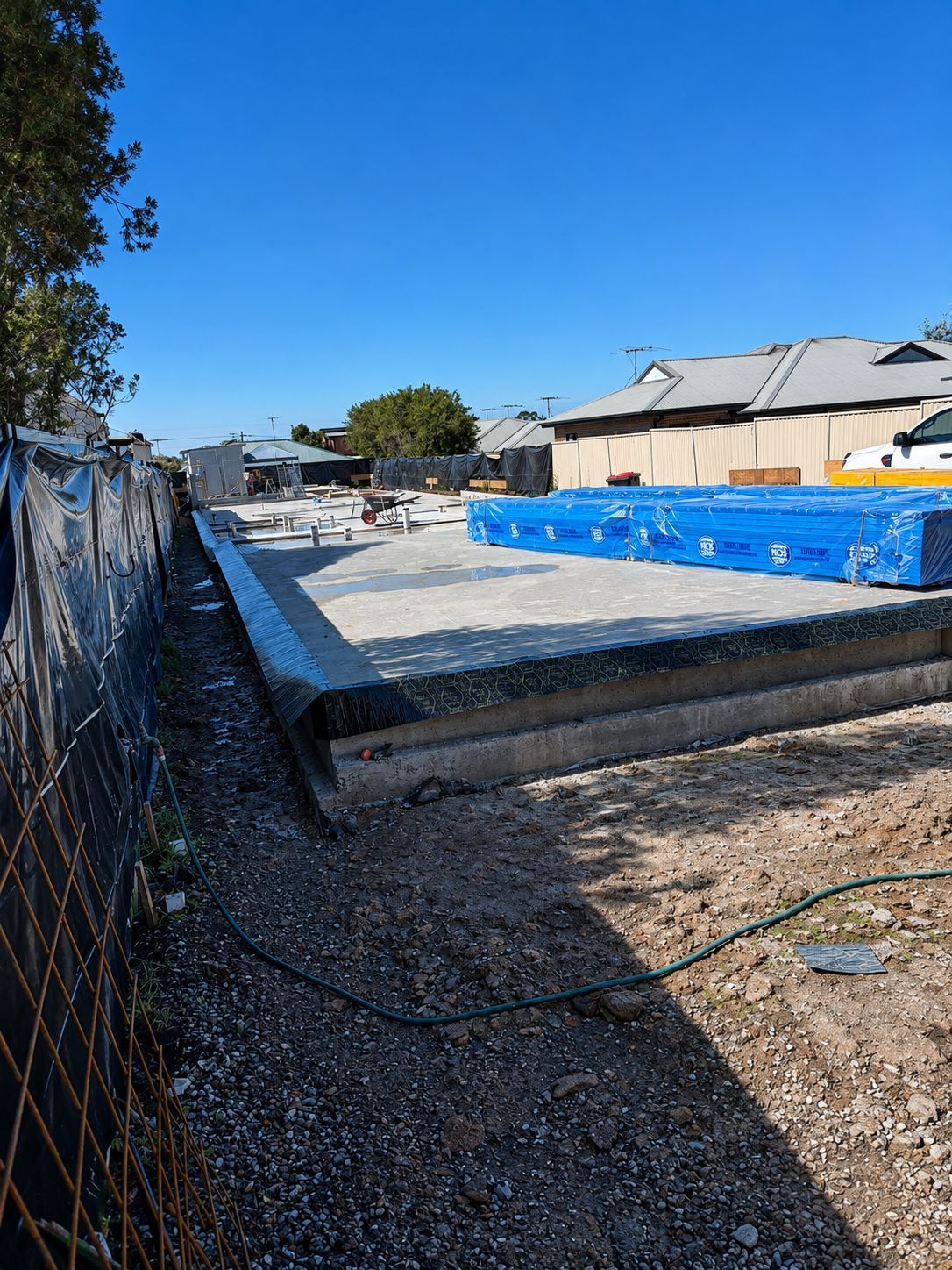
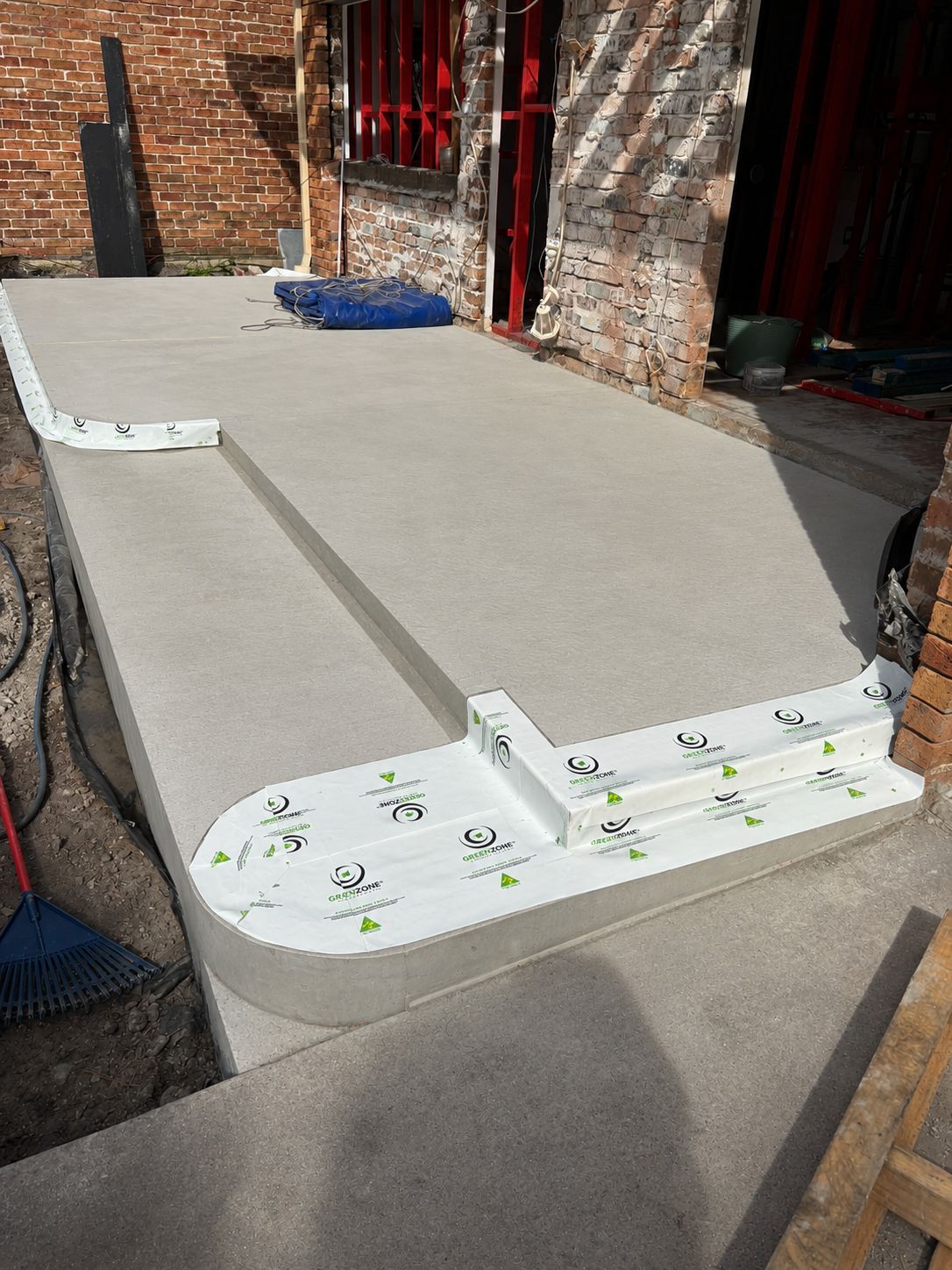
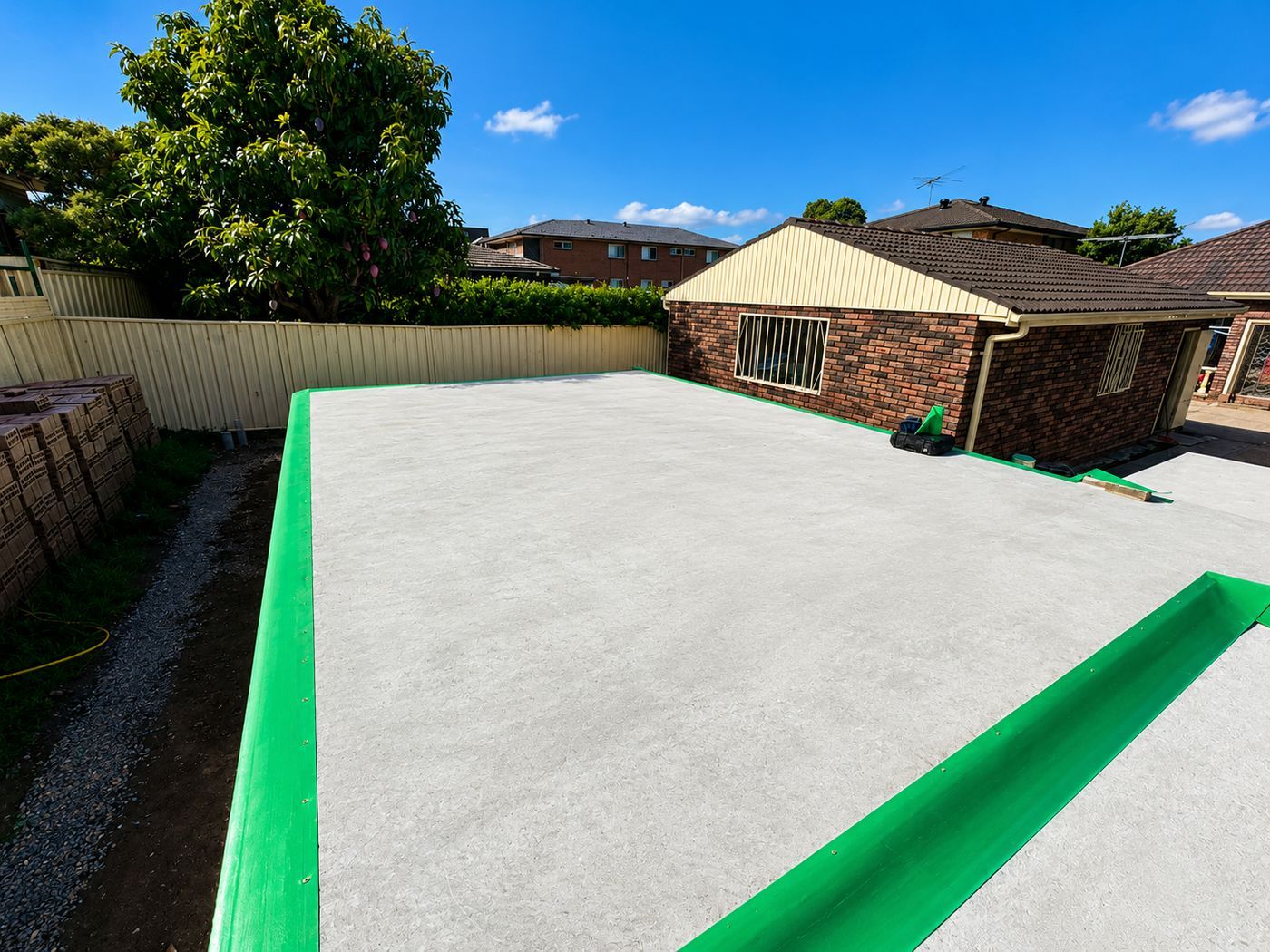
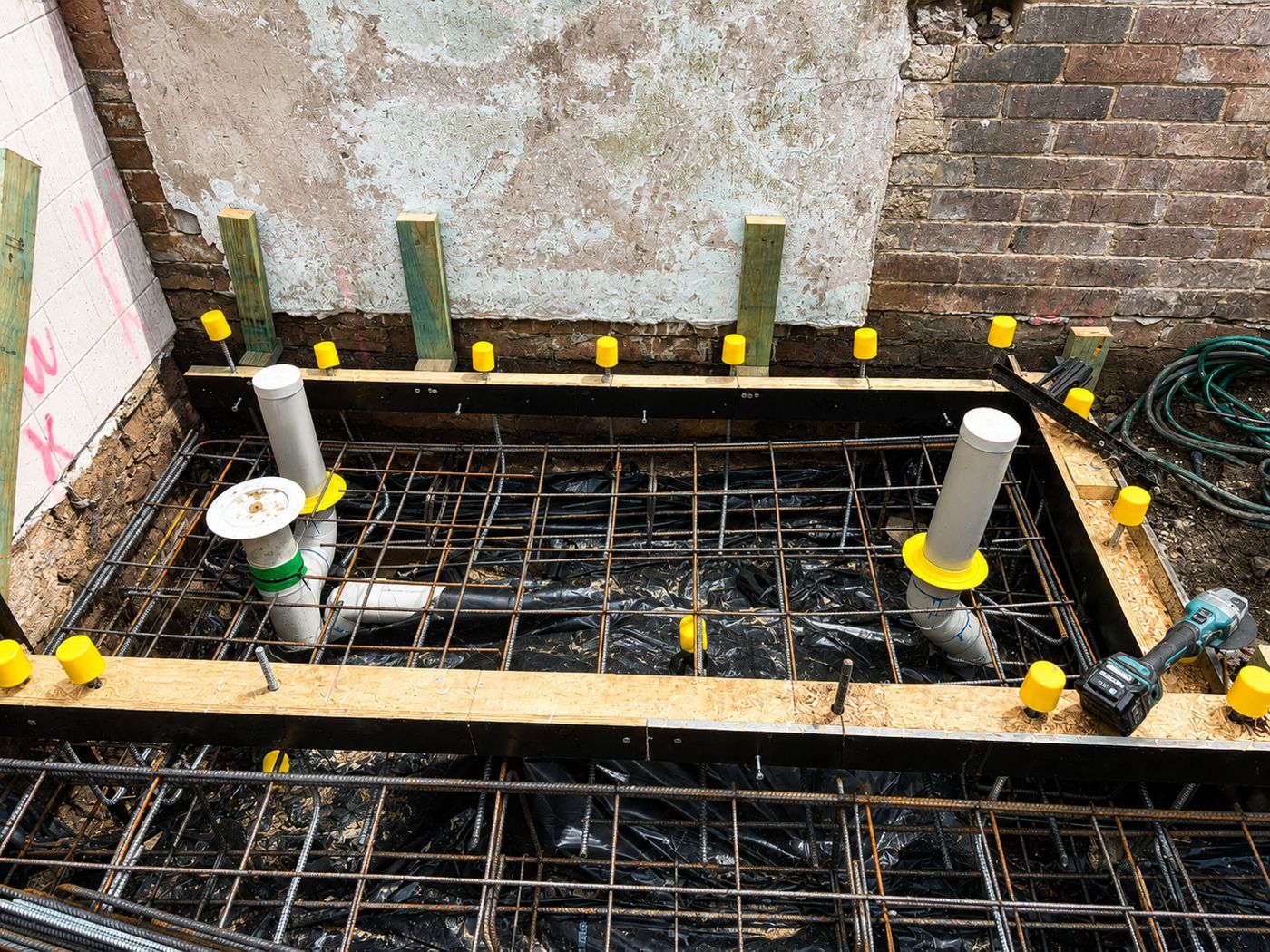
Perimeter barrier in place as framing begins — one of our own Canterbury-Bankstown installations.
Local conditions
What makes Riverwood blocks a termite risk
Three things shape how we detail a barrier on a Riverwood block.
Salt Pan Creek's tidal ground
Where the creek meets the Georges River, mangroves and low banks keep the surrounding soil consistently damp. Blocks anywhere near that corridor get a full, continuous perimeter rather than a partial run, because moist ground is exactly what subterranean termites forage through.
Post-war bungalows due for rebuild
Riverwood's original bungalows are now old enough that sub-floor timber has often carried termite activity for years before a rebuild starts. We check what is already in the ground before recommending a system, since old stumps and offcuts can feed a colony long after demolition.
M5 corridor ground disturbance
The M5 Motorway cuts through the suburb, and road-corridor works nearby can unsettle soil and shift termite activity into neighbouring blocks. A barrier detailed for a Riverwood rebuild accounts for that disturbed ground rather than assuming undisturbed conditions.
What we install here
Building in Riverwood
Riverwood work is mostly knockdown rebuilds of the suburb's original post-war bungalows, granny flats on the larger southern blocks, and occasional unit or townhouse sites near Riverwood Plaza and the station. Waffle pod and raft slabs are standard, with collars fitted to every penetration and the perimeter run to the true boundary rather than the slab edge. On blocks nearer Salt Pan Creek we pay closer attention to soil moisture and any retaining. We time our visit around the plumber's rough-in and the concreter's pour date, working to the builder's program throughout.
Under-slab membraneA termite-resistant sheet laid across the prepared ground before the pour.
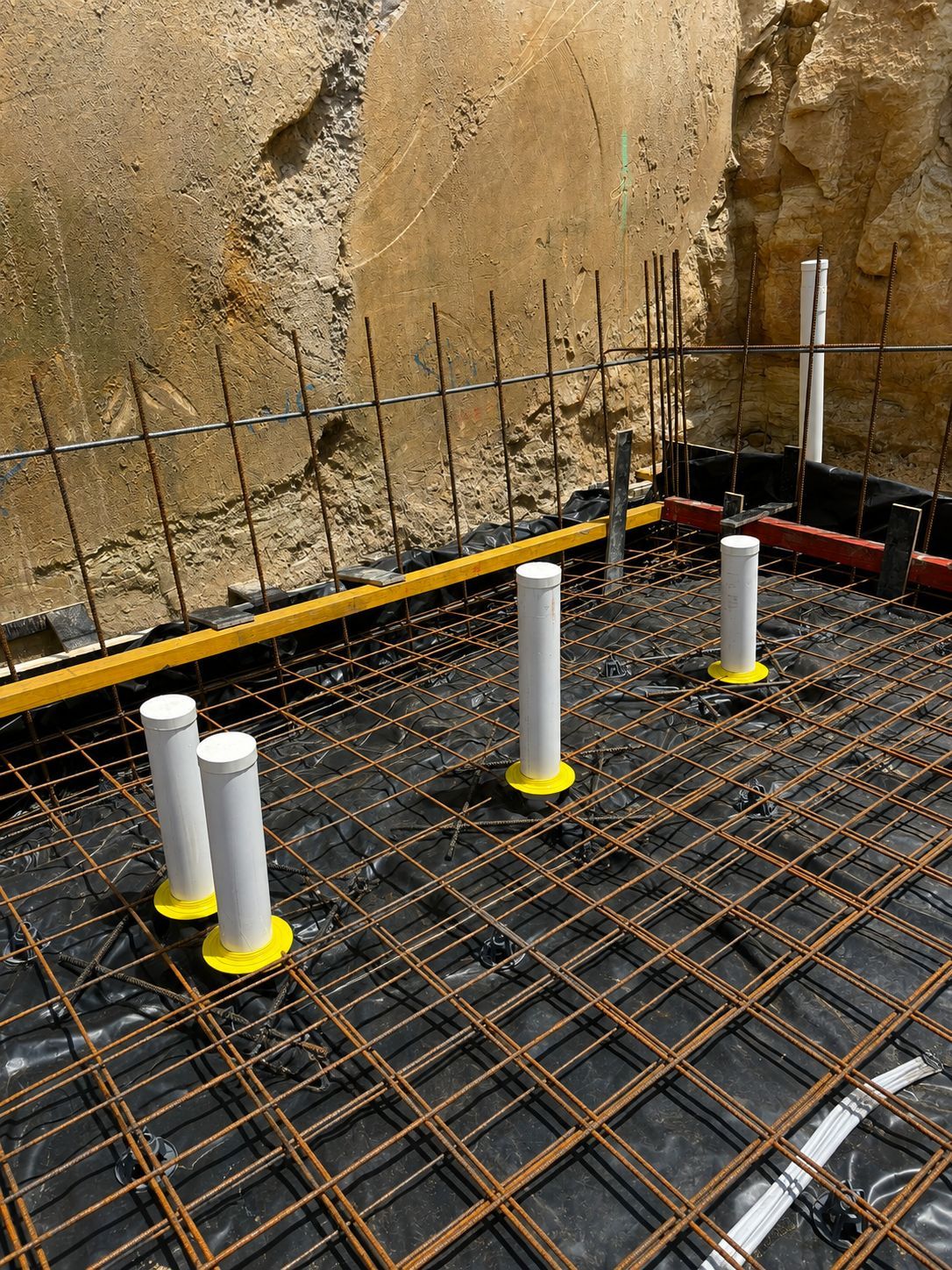
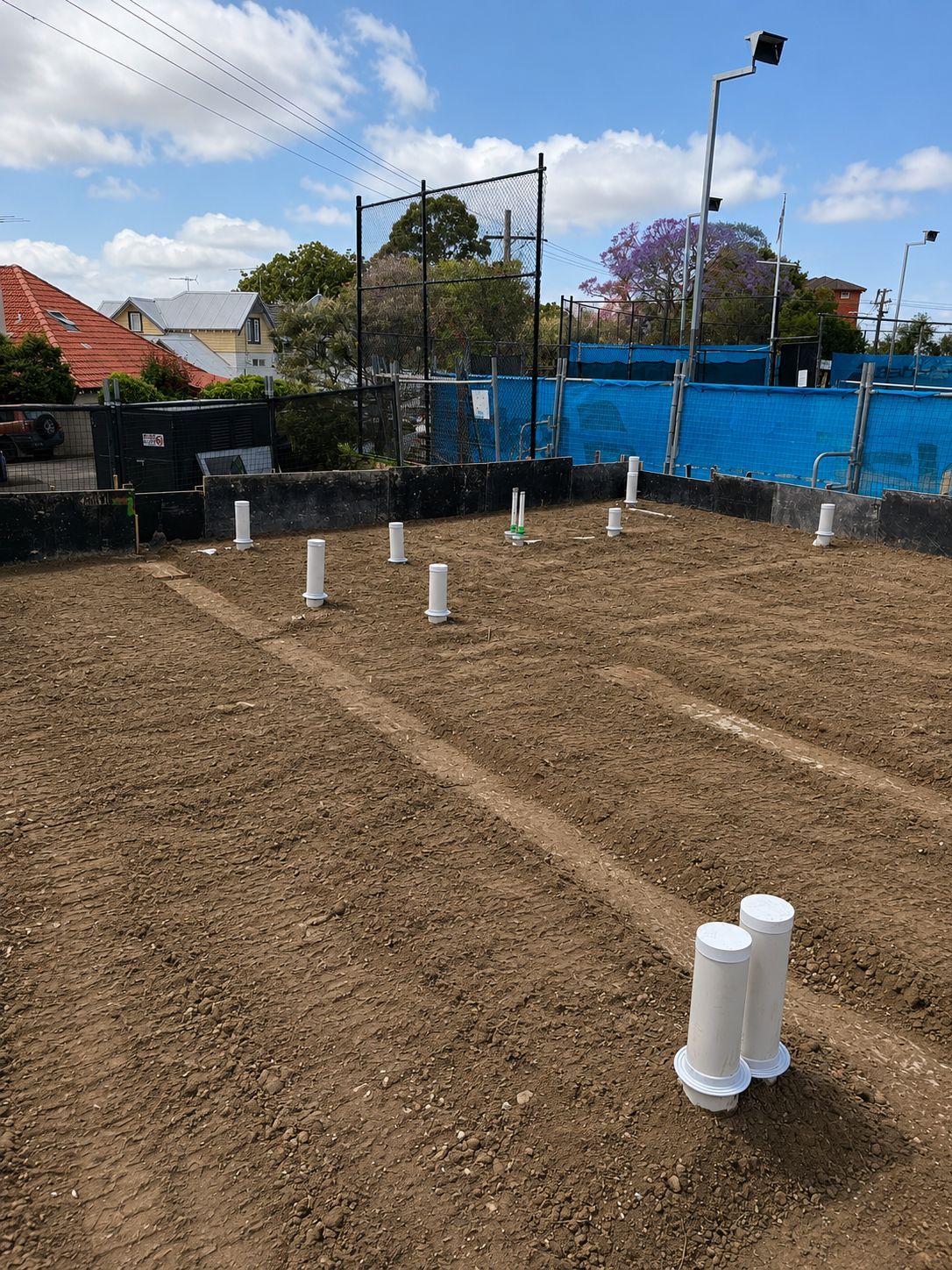
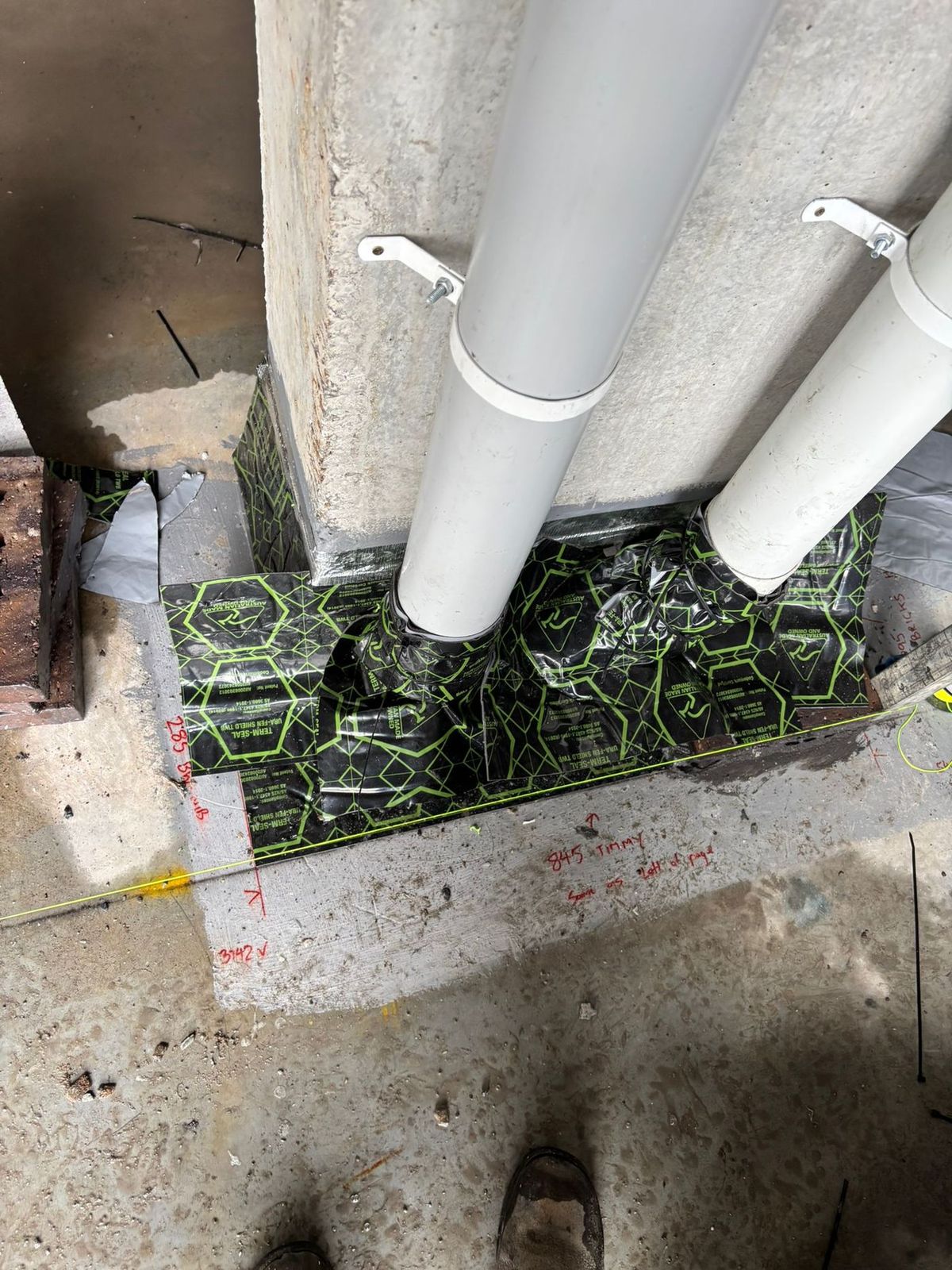
Penetration collarsCollars sealed to every pipe and conduit that comes up through the slab.
Perimeter & slab edgeA barrier at the slab edge and into the cavity, so nothing can track up hidden.
Chemical soil barrierAn APVMA-registered treated zone in the soil under and around the building.
ReticulationA pipe network laid before paving so the treated zone can be topped up later.
Piers & suspended floorsProtection for bearers, piers and suspended timber floors on sloping blocks.
Local knowledge
Around Riverwood
Riverwood station and Riverwood Plaza sit within a few hundred metres of most of our work here, and rail corridors and busy retail strips are a reminder of how built-up the suburb's centre has become since the 1950s. The bigger factor for barrier detailing is Salt Pan Creek, whose mangroves and tidal flats keep nearby ground damp well inland. Phillip Street Reserve and Keppel Avenue Reserve add established tree cover on the northern side, and Hurstville Golf Course keeps a stretch of turf irrigated close to the suburb's edge.
Riverwood is split between Georges River Council and the City of Canterbury-Bankstown, and either certifier asks for the same two things before signing off: a durable notice mounted in the meter box, and an installation certificate setting out what was used, where it went and who installed it. We hand these over the moment our stage wraps up, along with product data sheets and maintenance advice, so nothing about a Riverwood rebuild or granny flat sits waiting on paperwork from us.
4 neighbouring suburbs covered by the same crew
Slab date locked in?Tell us the pour date and we will book the stages around your builder.
Most of the Sydney builds we work on use a combination: physical collars on every penetration plus a physical or chemical perimeter.
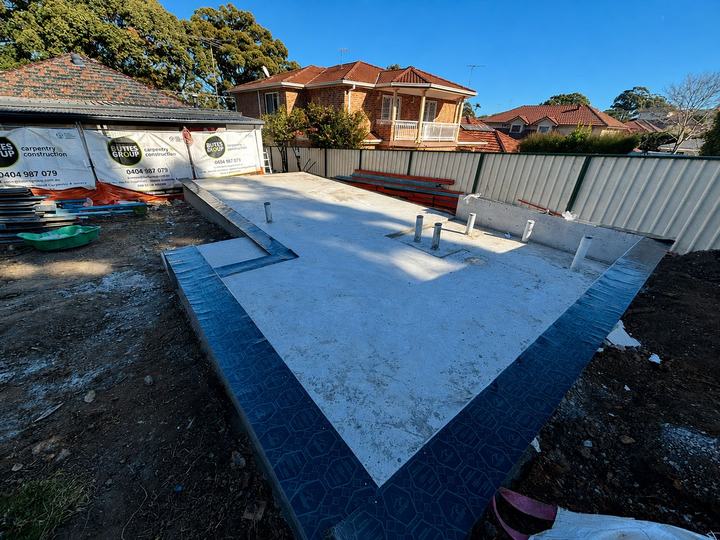
Our technician installing a perimeter barrier on a live Sydney site.
For builders & developers
Built around your program, not ours
Builders, developers and owner-builders get a fixed quote from plans, a technician who turns up when the site is ready, and paperwork that never holds up sign-off.
What we need to quote
Architectural or slab planSlab type: raft, waffle pod or suspendedSite addressRough pour dateRetaining wall & step-down details
Fitting in with your trades
Collars in before the pour inspection
Slab edge & cavity as walls go up
Perimeter done before paving
Multi-unit & repeat work
Consistent pricing across lots, one point of contact and a full document set for every dwelling.
No certification delays
Missing durable notices and unclear install records are a common reason Occupation Certificates get held up. We hand everything over together so your certifier has it all in one go.
Paperwork
Everything you get at handover
A complete document set for the builder, the certifier and every future owner of the property.
Durable notice
A permanent notice in the meter box showing the system, install date, installer, any chemical's life expectancy and inspection advice.
For: certifier, owner, future owners
Installation certificate
Written confirmation of the system and products used, the areas protected and our licence details.
For: builder, certifier, owner
Product information
Details of the physical system or termiticide installed, including safety data sheets for any chemicals.
For: builder, owner
Care & inspection advice
How to keep the system working, plus the recommended inspection frequency under AS 3660.2.
For: homeowner
From real jobs
Recent termite barrier installations
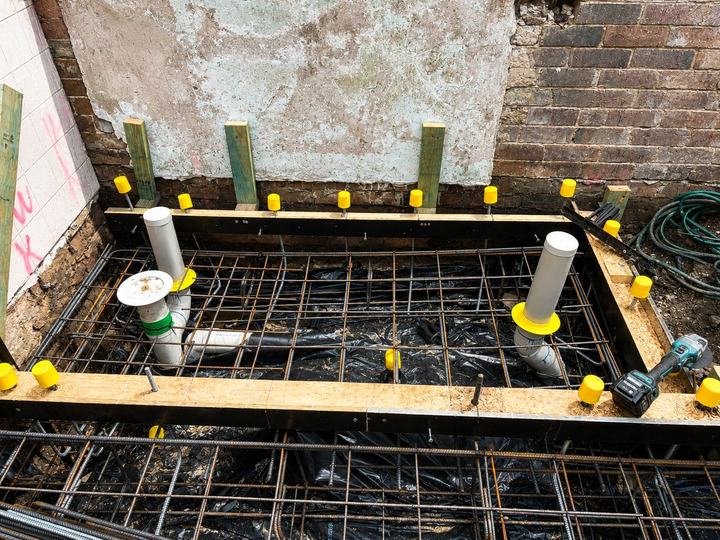
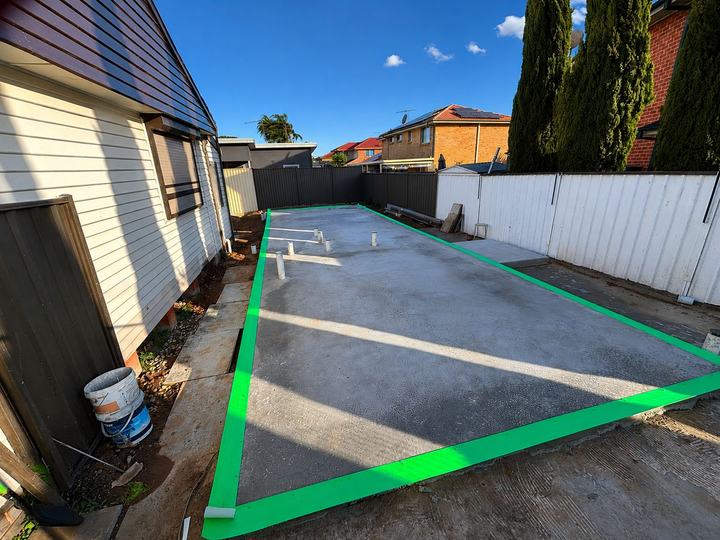
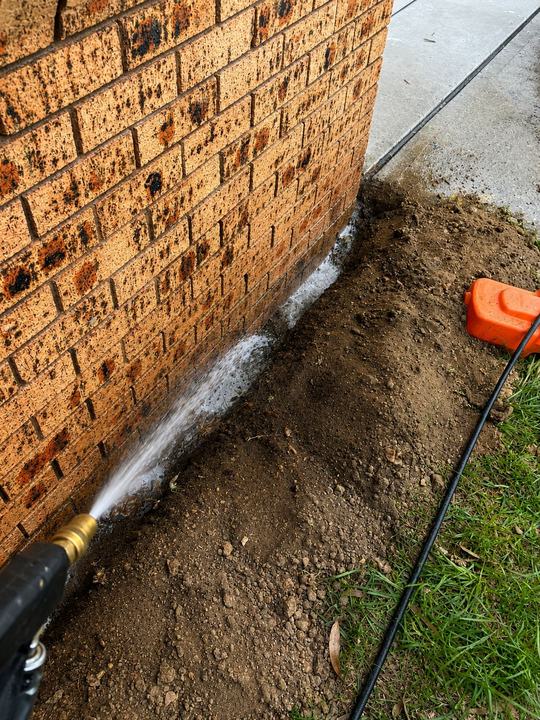
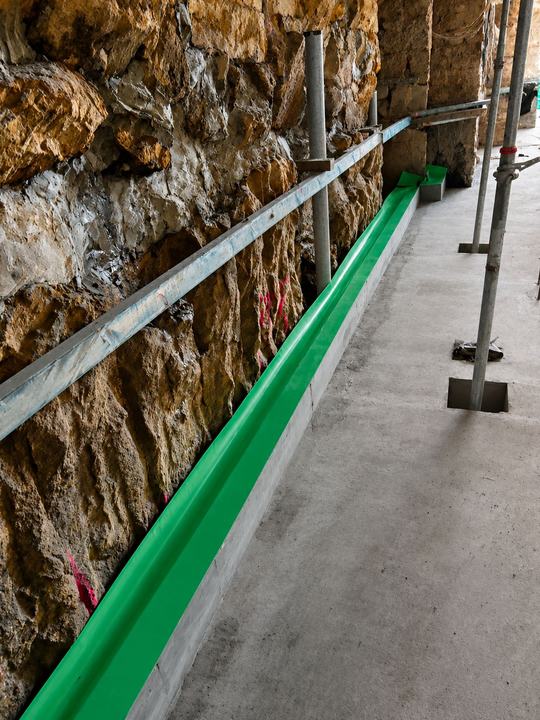
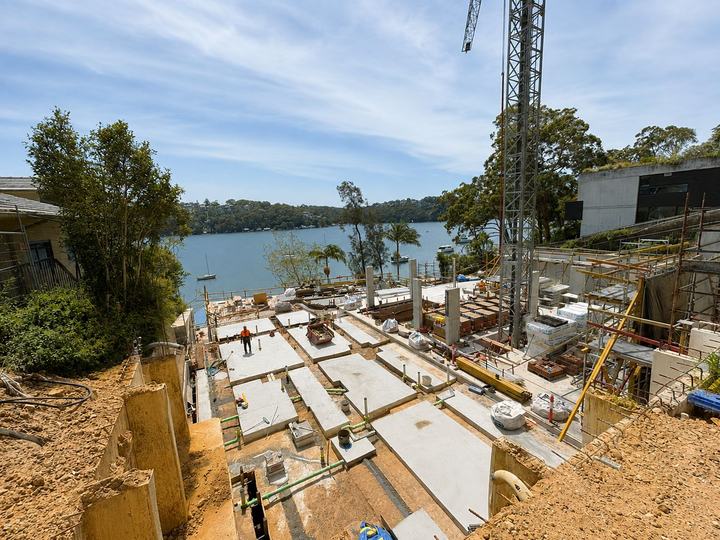
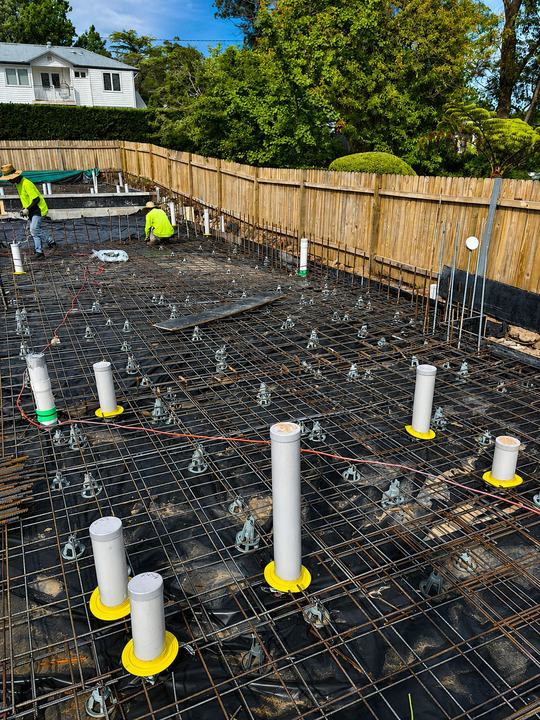
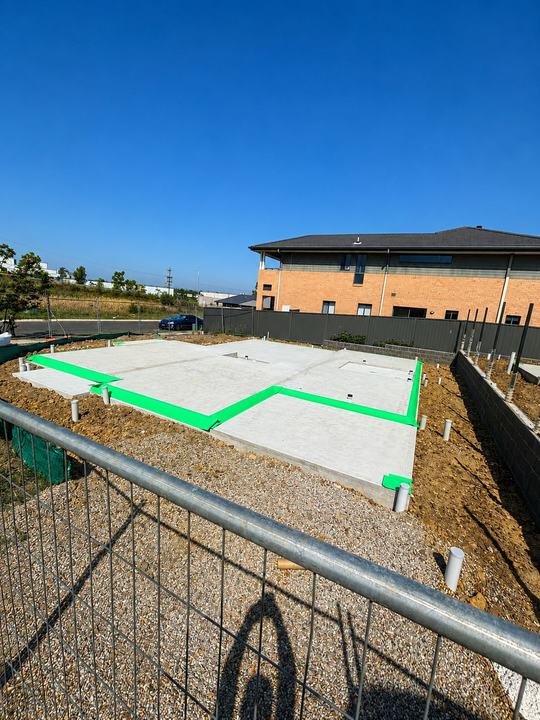
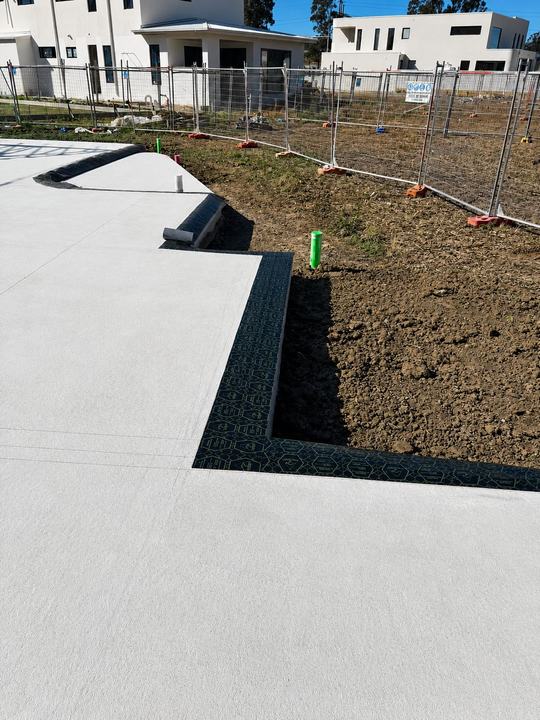
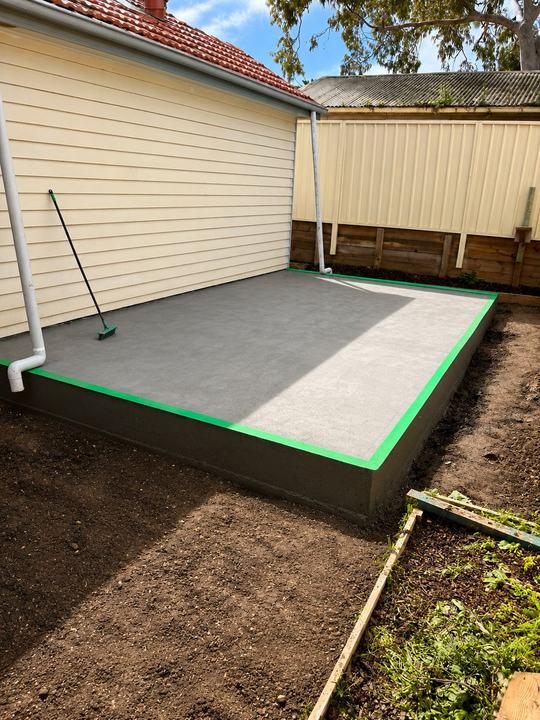
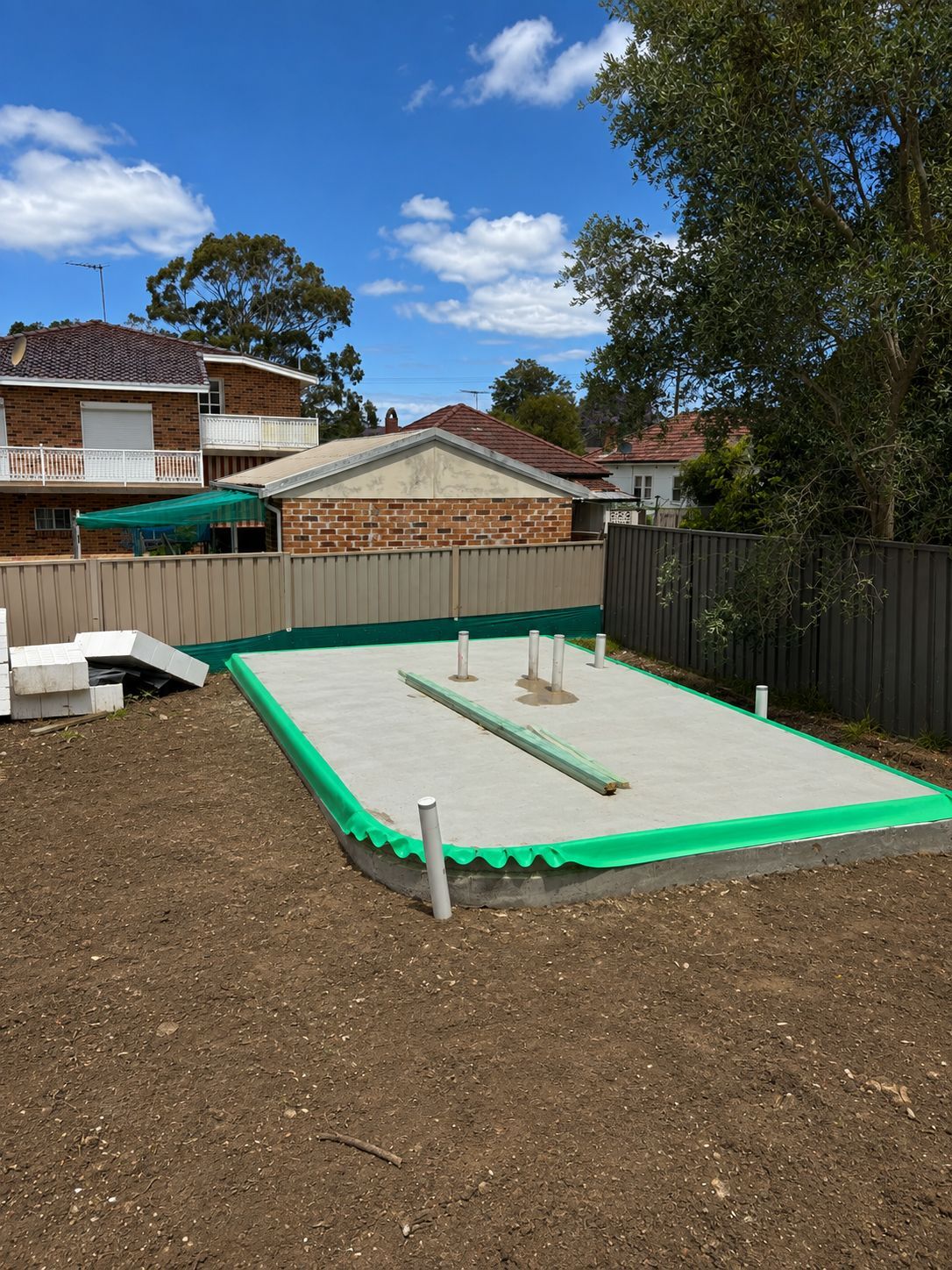
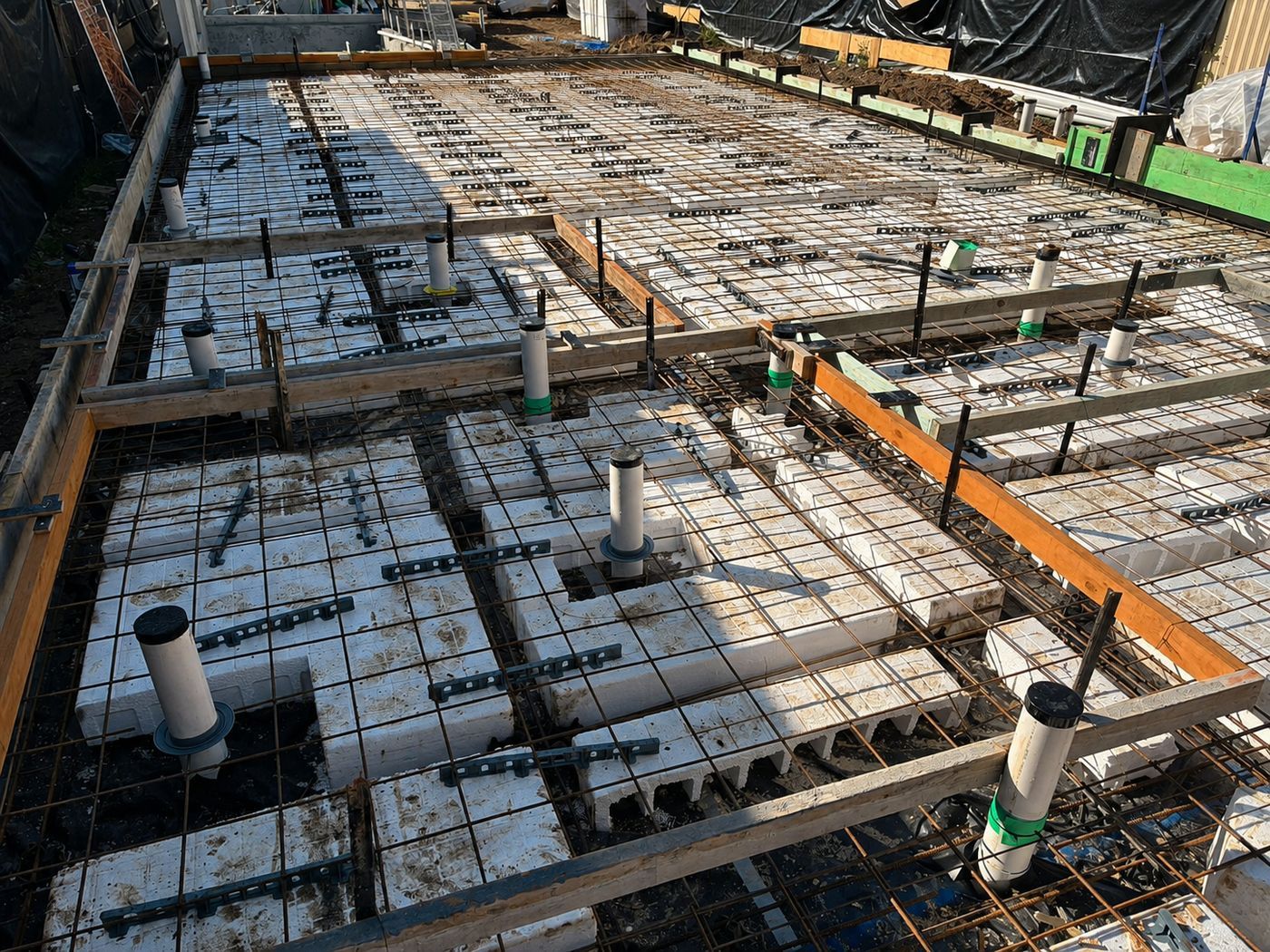
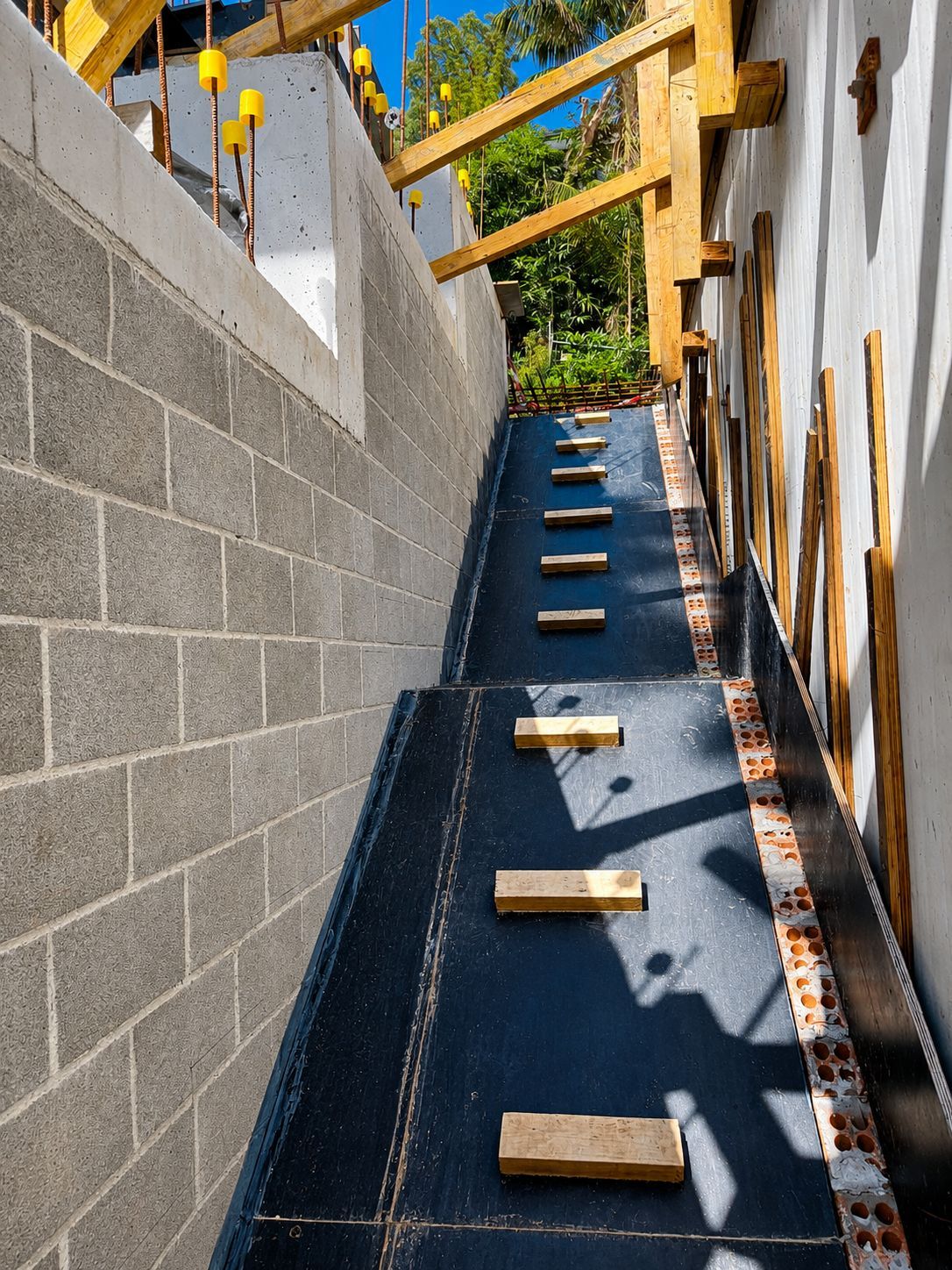
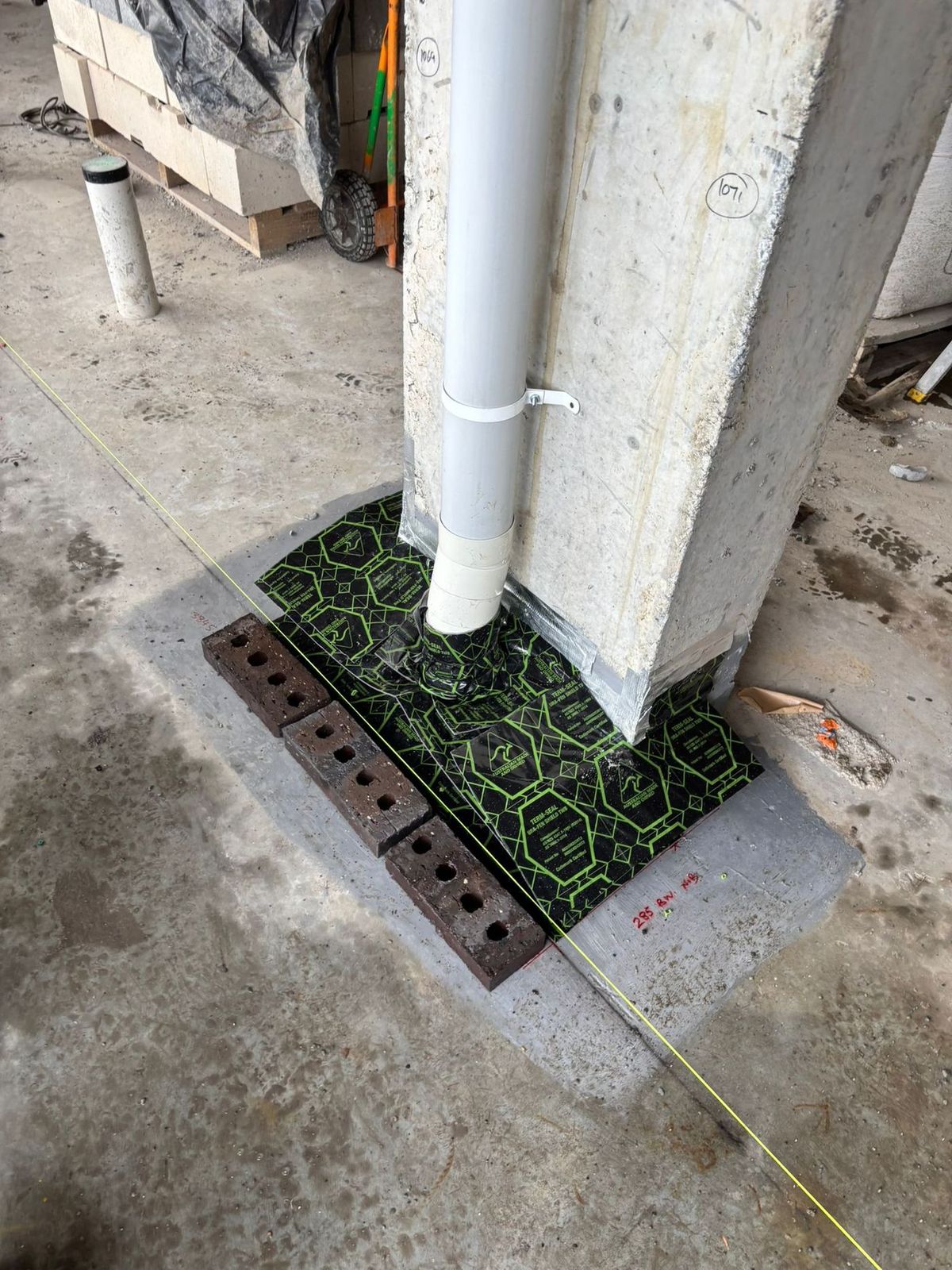
Photos from our own Sydney sites, not stock images. Tap any photo to see it larger.
A barrier only works while it stays intact and visible. Pass these on to the owner.
Keep at least 75 mm of the slab edge exposed. Don't cover it with soil, mulch or paving.
No garden beds or stacked timber against the house
Keep weep holes clear of render and debris
Fix leaking taps, downpipes and hot water units near the walls
Ask the installer before drilling through the slab or adding pipes
Book a timber pest inspection at least every 12 months
The inspection zone. An exposed strip of slab edge lets anyone spot termite mud tubes before they reach the frame, which is why paving, soil and mulch must stay below it.
Annual timber pest inspectionHanded over recently? We inspect the barrier and the building every 12 months.
Does a rebuild near Salt Pan Creek need extra termite protection?
Blocks close to the creek and the Georges River sit on consistently damp ground, which is exactly the condition subterranean termites forage through. We still install a compliant AS 3660.1 system on every Riverwood job, but on creek-side blocks we run a full, continuous perimeter and look closely at soil moisture and any retaining before we finish the detailing.
Which council certifies a Riverwood knockdown rebuild?
Riverwood sits across Georges River Council and the City of Canterbury-Bankstown, so it depends on exactly where your block falls. Both want the same meter-box notice and installation paperwork listing what was used, where and by whom, before they'll grant your Occupation Certificate, so we have it ready either way.
Do old bungalow footings affect a new termite barrier?
Often, yes. Many Riverwood rebuild sites sit on blocks that carried a post-war bungalow for decades, and old sub-floor timber, stumps or buried offcuts can already hold termite activity. We check what remains in the ground before recommending a system, and clear old material away from the new barrier line where it needs to go.
Does a new home need a termite barrier in NSW?
In most cases, yes. The National Construction Code requires a termite management system for new houses and outbuildings in termite-prone areas where the primary building elements can be damaged by termites. Sydney is termite-prone, so the system is installed to AS 3660.1 and your certifier asks for the installation certificate and durable notice before the Occupation Certificate is issued.
What does a pre-construction barrier cost?
It depends on slab area, perimeter length, the number of pipe penetrations, the system chosen, site complexity and how many visits the build needs. Send us the plans and we return one fixed written quote covering every stage. Quoting is free.
Nearby
We also install barriers around Riverwood
Same crew, same staging and the same certifier-ready paperwork, right across the Canterbury-Bankstown.
From the Eastern Suburbs and Inner West to the Hills, the Shire and the western growth corridors. Every suburb has its own page with the local ground conditions, the council that certifies the work and the questions builders there ask us.