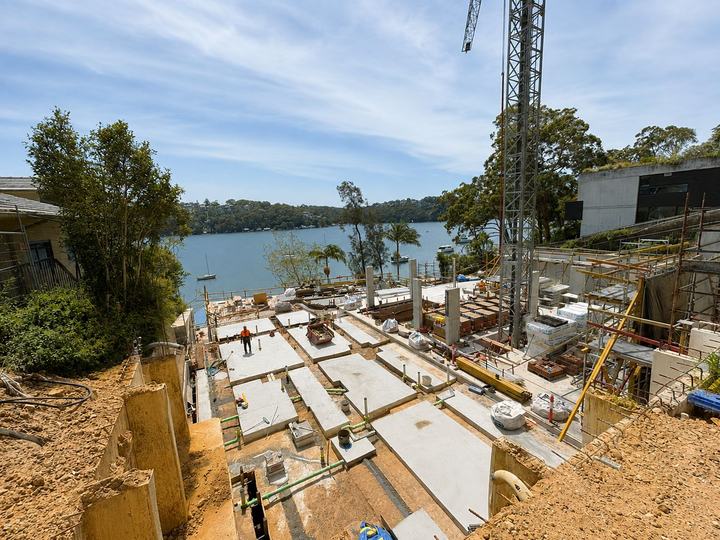
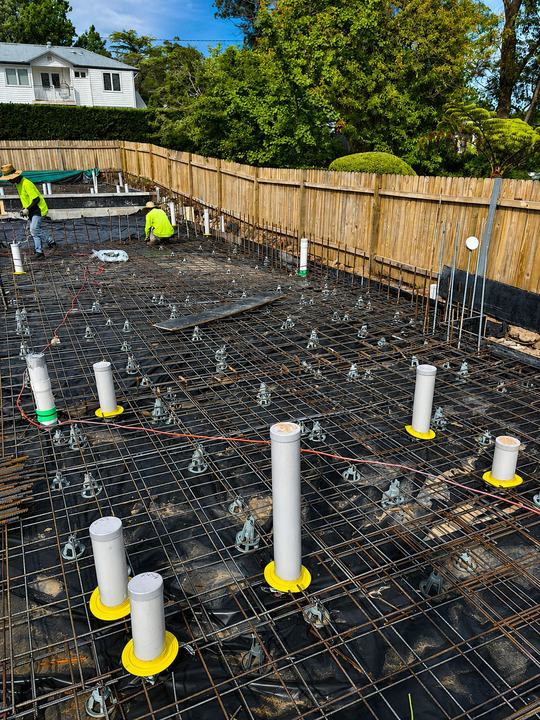
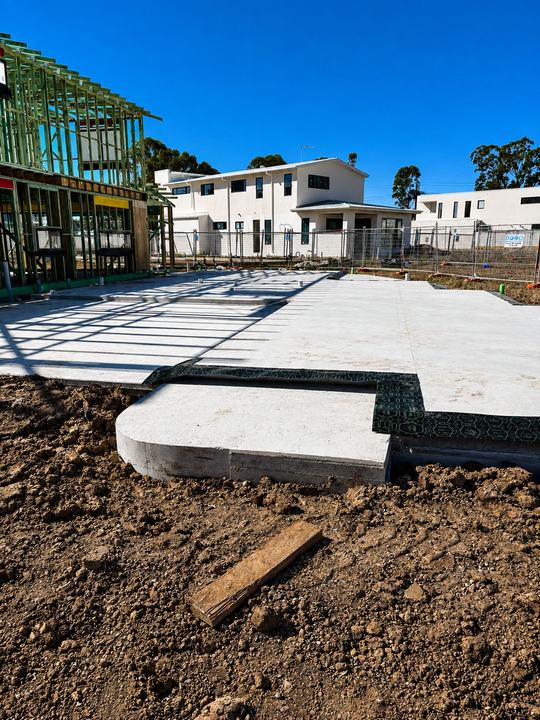
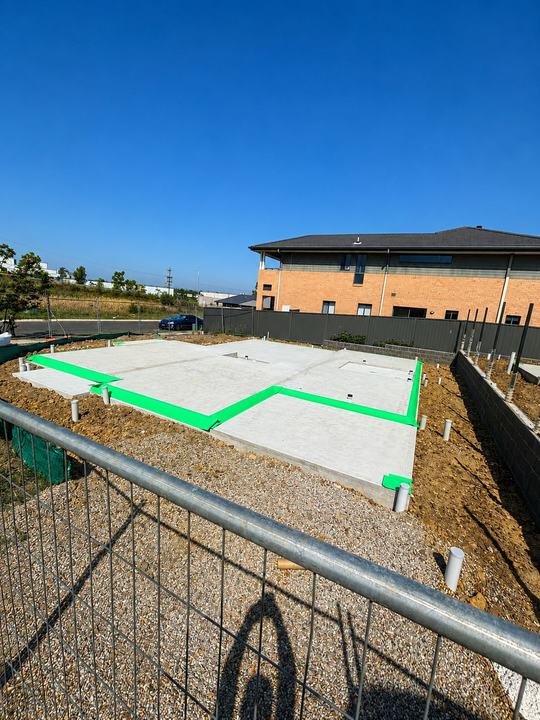
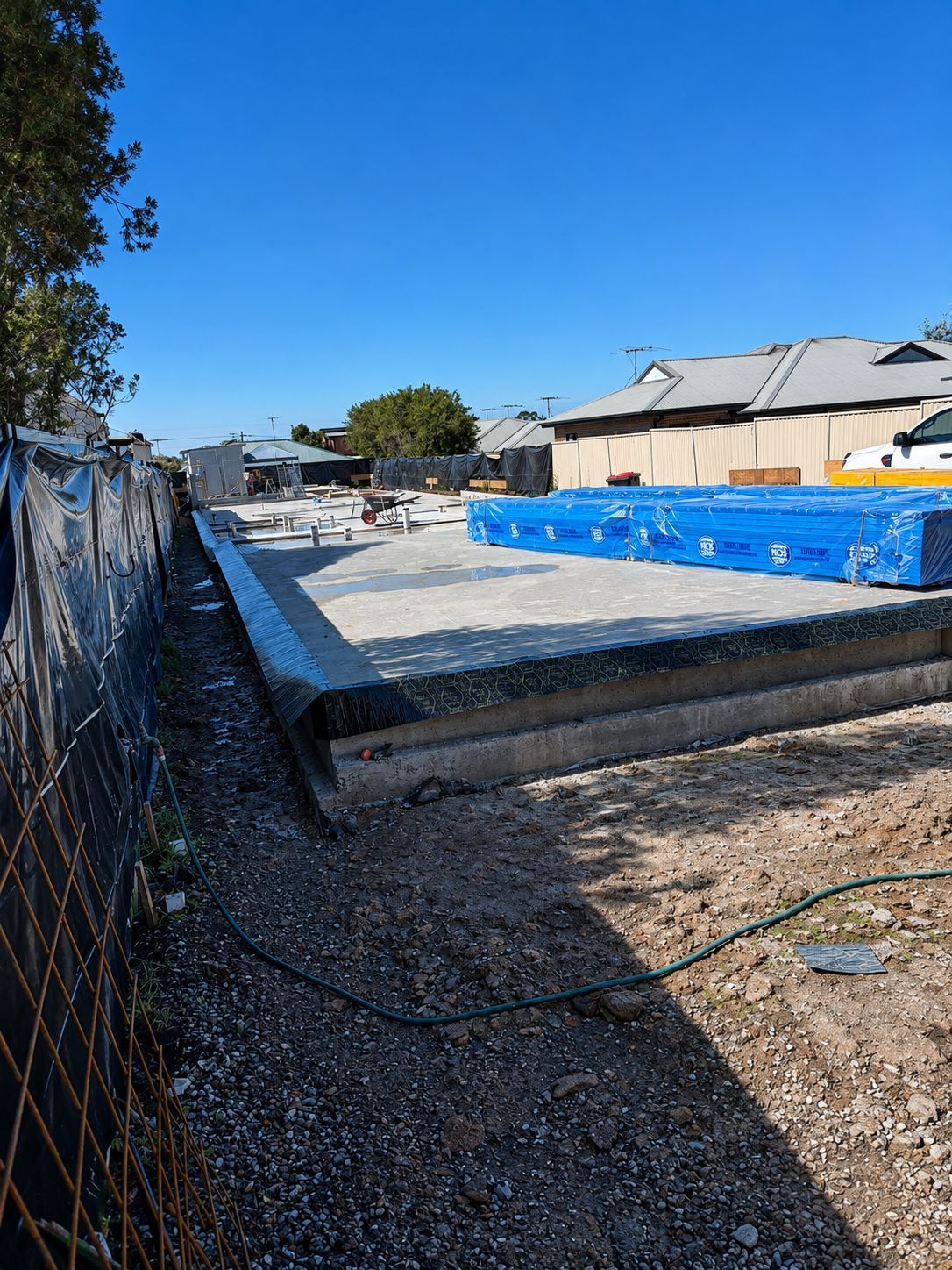
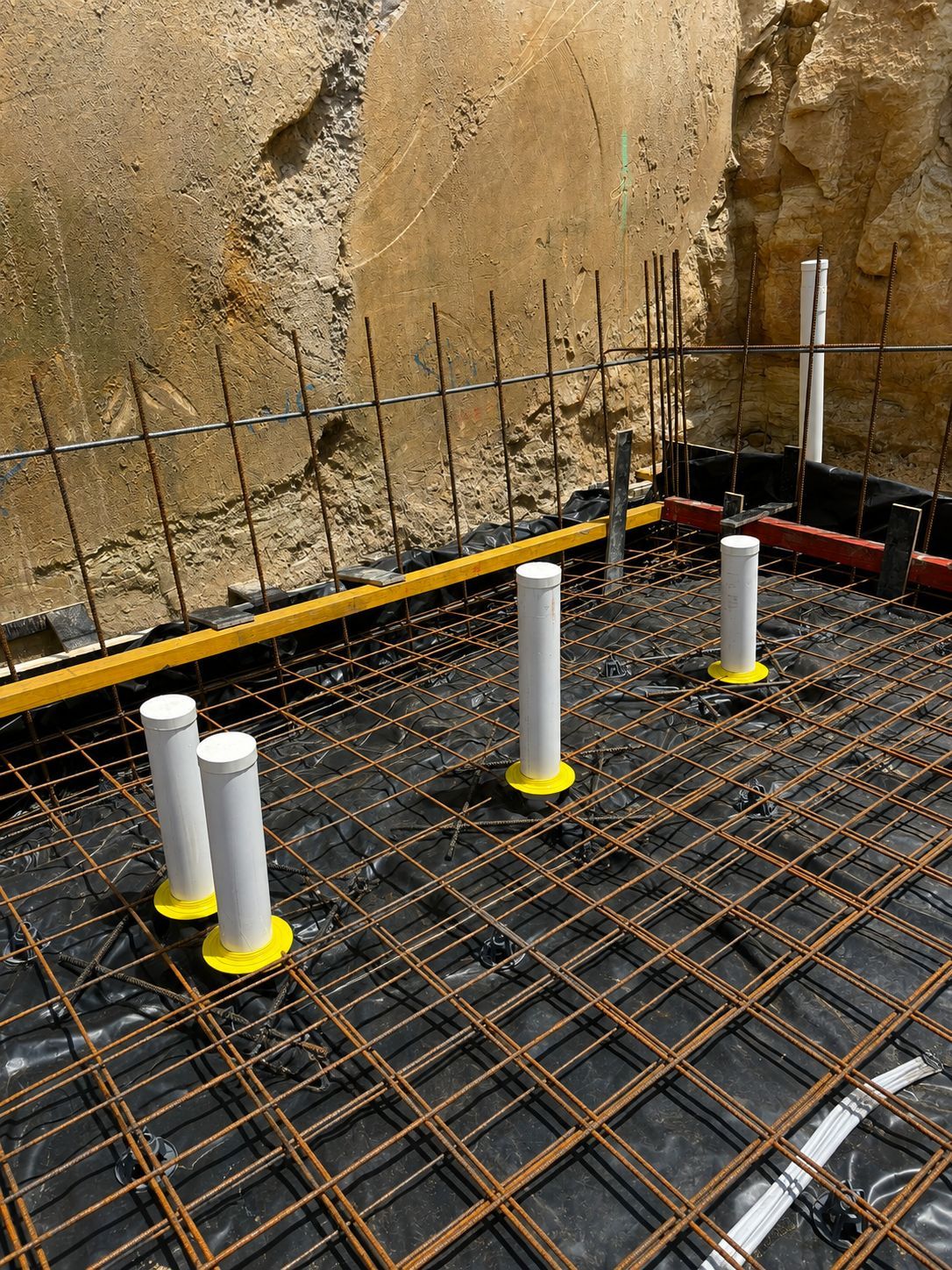
Collars and perimeter barriers fitted on Canley Heights knockdown rebuilds set back from the Canley Vale Road dining strip, with soil treatment tuned to the creek reserves either side.
Yes, a new home or rebuild in Canley Heights needs a termite management system, because the NCC treats the whole suburb as termite-prone whether the block sits on a quiet residential street or close to the dining strip. Installation follows AS 3660.1, with every collar going in ahead of the pour. Before granting occupation, Fairfield Council wants the durable notice and a matching installation certificate on file.
Termite barriers in Canley Heights
Why Canley Heights builds need the barrier in before the pour
Canley Heights is in the City of Fairfield, postcode 2166, about 26 km west of the Sydney CBD. Former farmland, it was developed mainly in the 1960s and 1970s, and most housing is low-density from that time. The suburb's best-known feature is Canley Vale Road, a long strip of Vietnamese, Lao, Thai, Korean, Japanese and Middle Eastern restaurants, cafes and late-night venues, and in 2025 Canley Heights and Canley Vale became Western Sydney's first Special Entertainment Precinct. New building work ranges from knockdown rebuilds on the residential streets to occasional mixed commercial and residential projects tied to the dining strip itself.
An eat street with long trading hours changes what a new termite barrier has to sit alongside. Restaurants and takeaway shops generate food waste well into the night, and rats and German cockroaches that follow it into lanes and drains can end up close to nearby houses, even where the pest itself is not a termite concern. Away from the strip, residents deal with more familiar issues in post-war homes: ants, spiders and termites, with Green Valley Creek and Orphan School Creek running through nearby reserves and keeping the soil damper than in drier parts of the suburb. A rebuild anywhere in Canley Heights needs its barrier planned around which of these conditions applies.
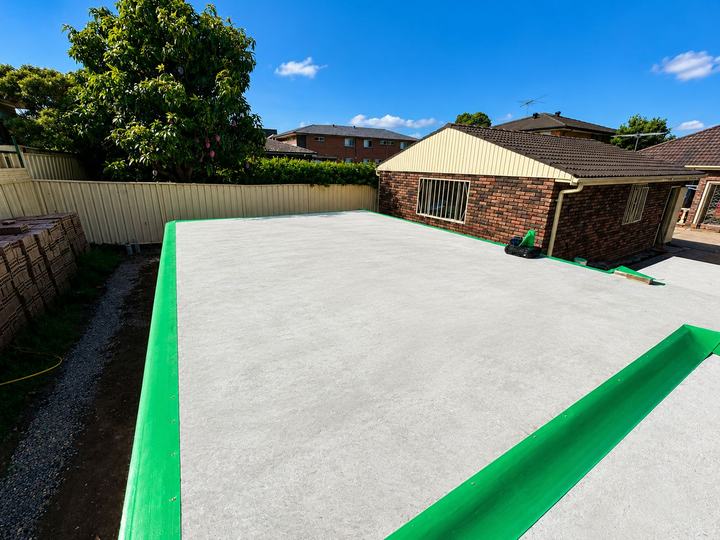
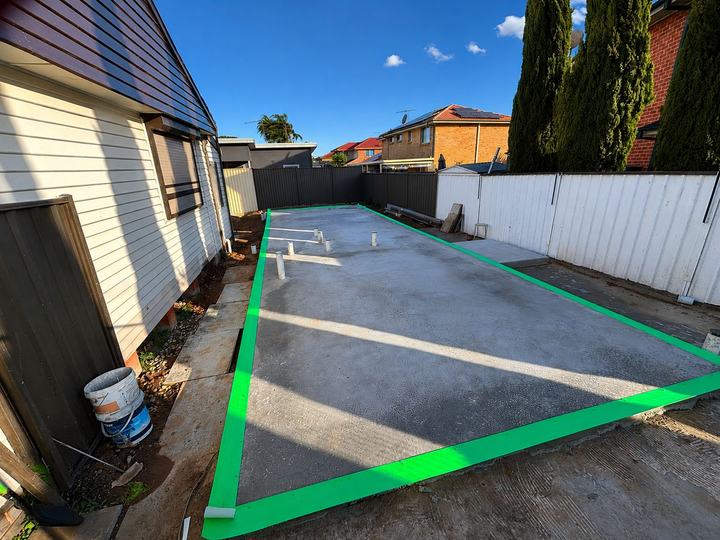
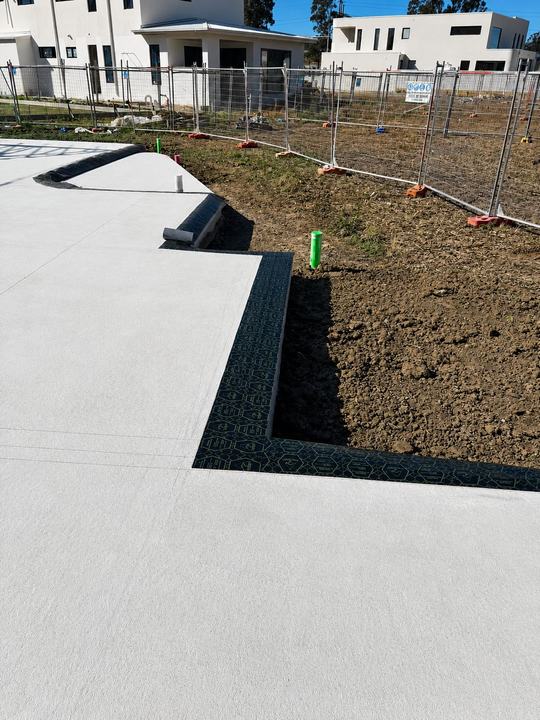
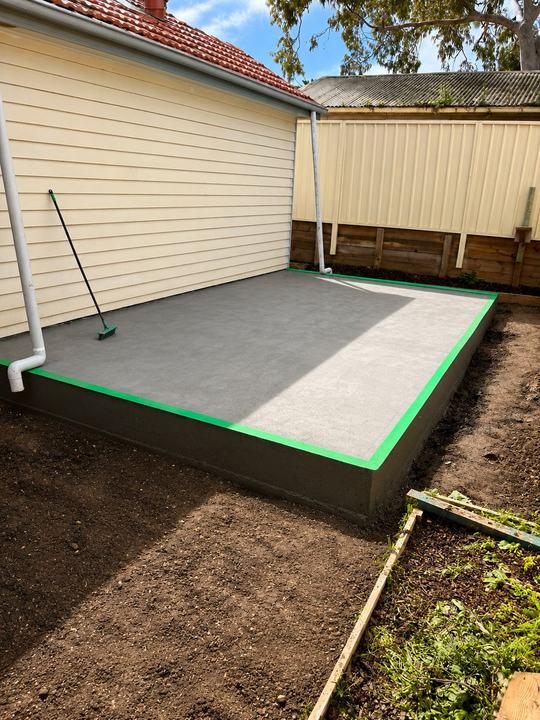
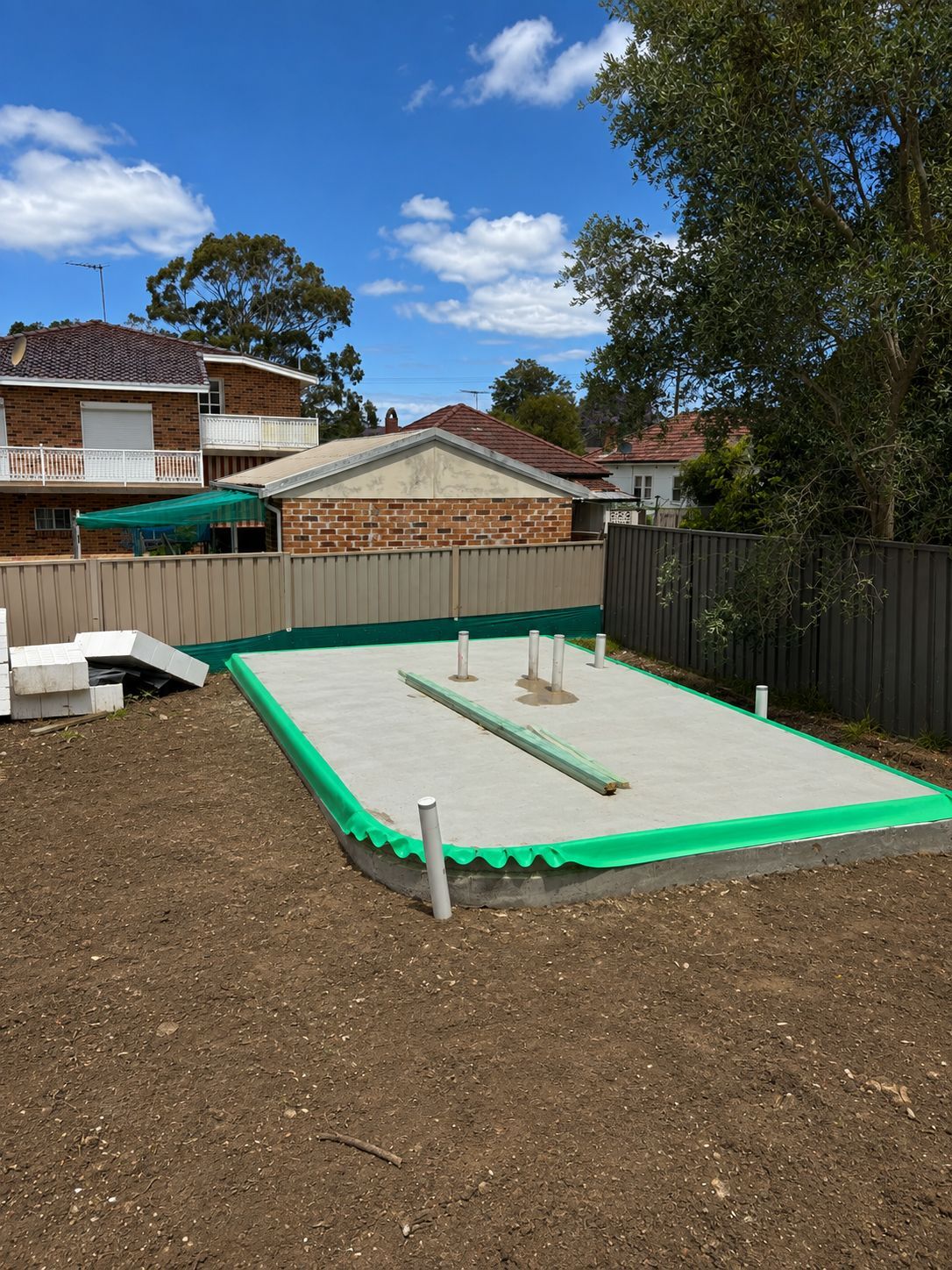
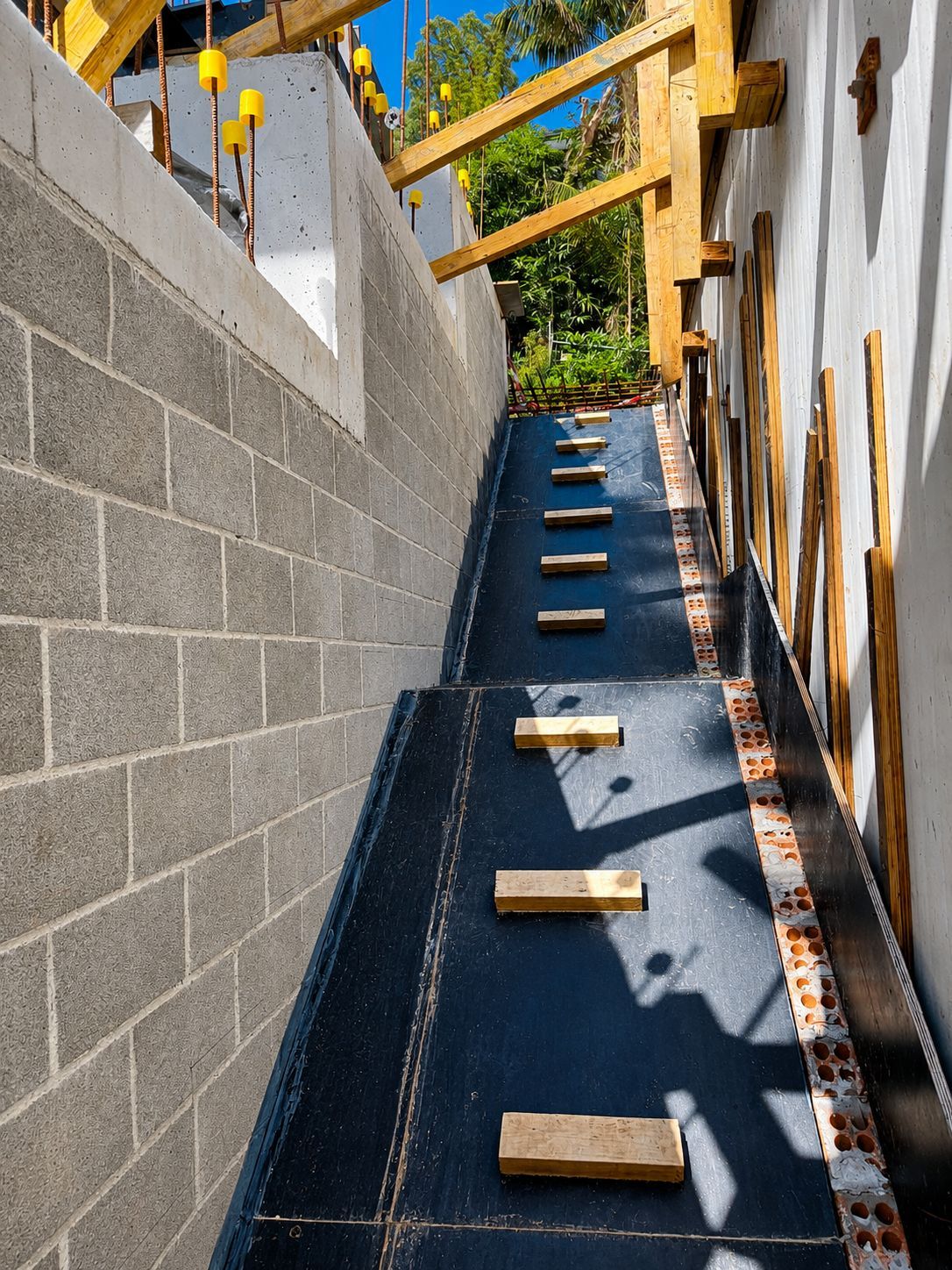
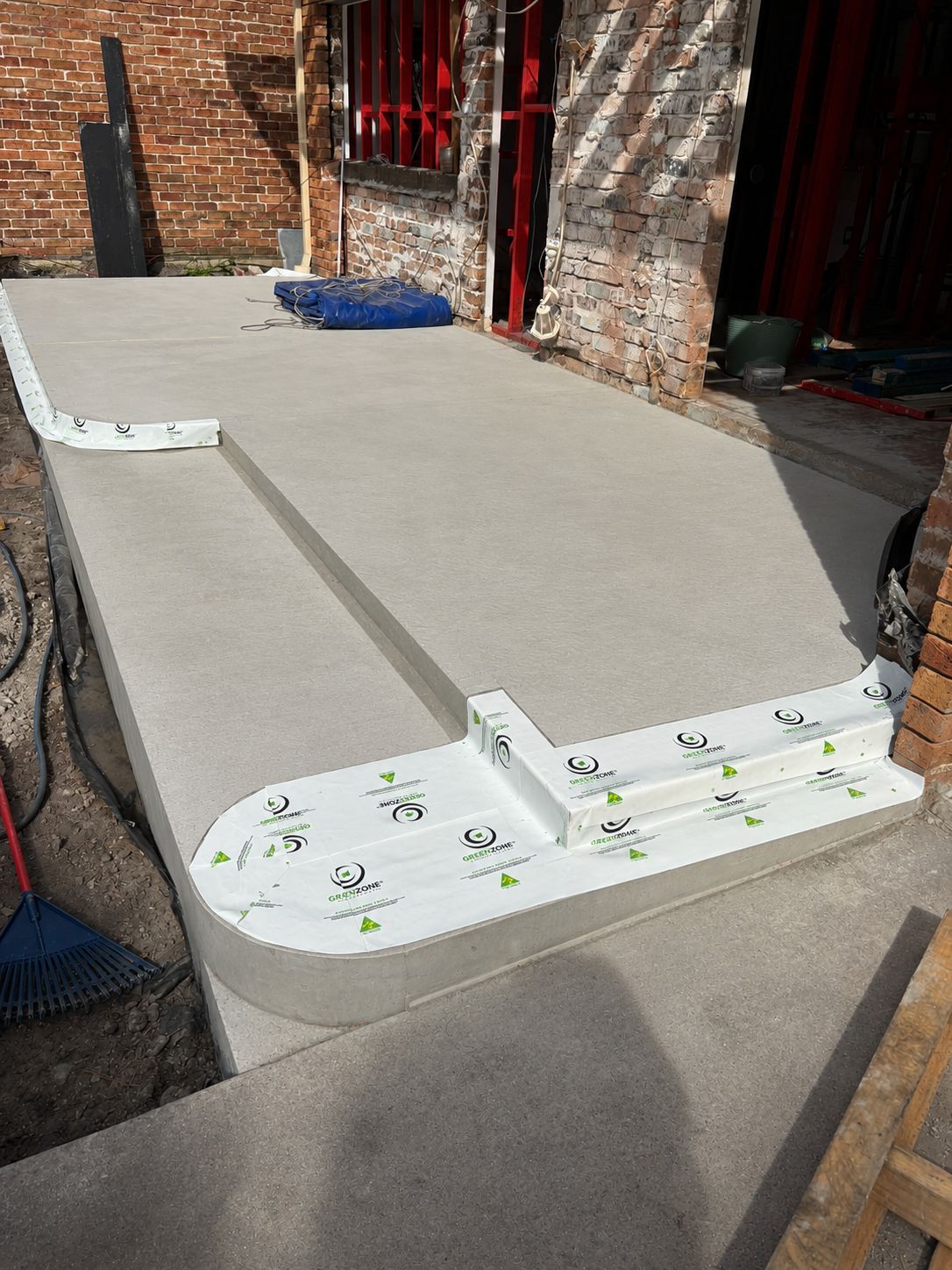
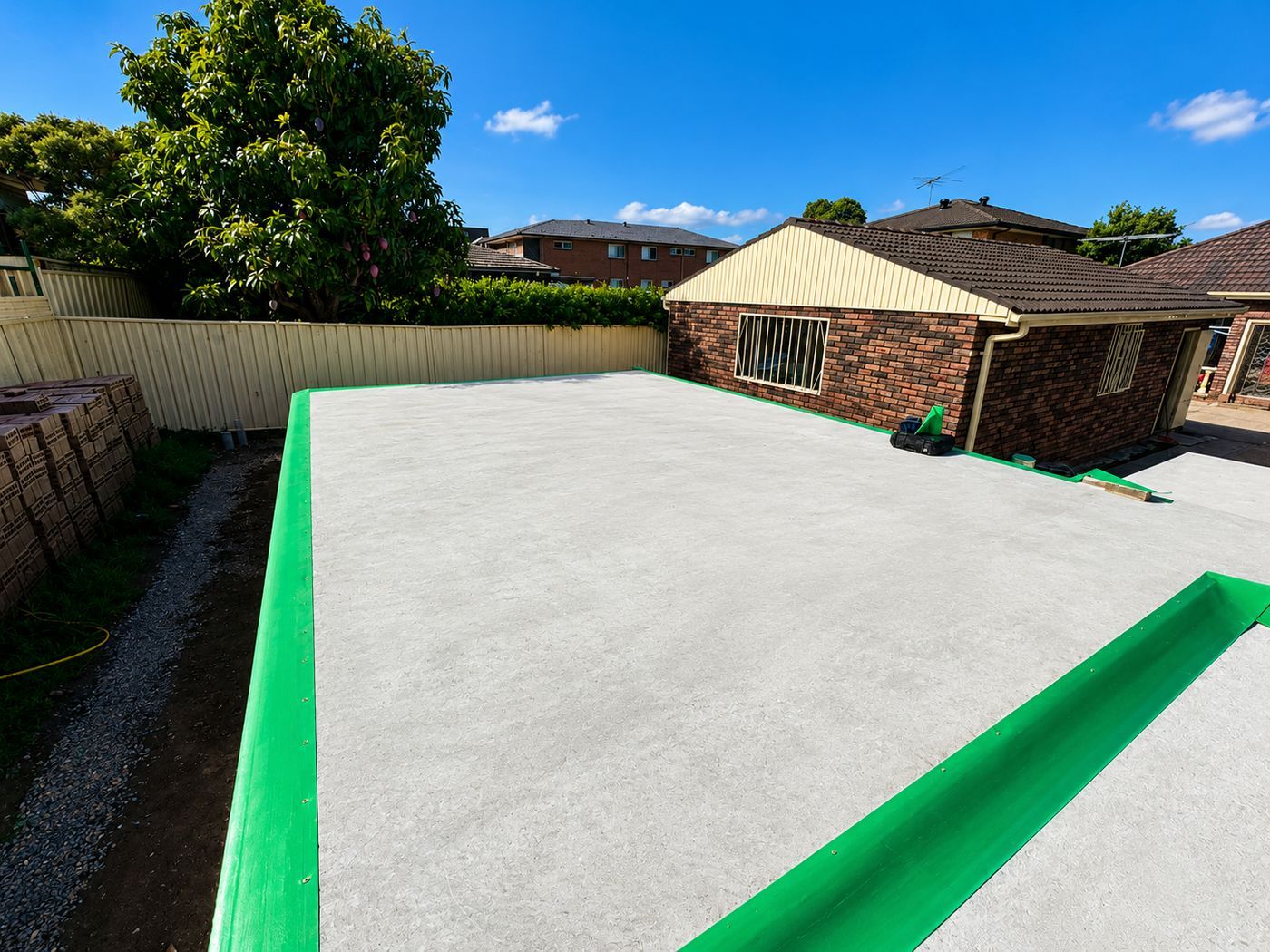
Perimeter termite barrier on a completed slab edge — one of our own South West Sydney installations.
Local conditions
What makes Canley Heights blocks a termite risk
Three things shape termite and pest pressure in Canley Heights, and they depend heavily on where in the suburb a build sits.
Creek reserves and damp soil
Green Valley Creek and Orphan School Creek run through reserves that keep nearby soil damper than the rest of the suburb, which suits termites in older post-war homes close by. Rebuilds near these corridors get closer attention to soil treatment around the new slab.
Late-night food waste on the strip
The Canley Vale Road dining strip trades well into the night, and the food waste it generates draws rats and German cockroaches into nearby lanes and drains. New residential work close to the strip benefits from a pest plan that accounts for this activity, not just the standard termite system.
Rail corridor drains near the station
Canley Vale station sits on a rail corridor whose drains and embankments give rats a protected route between properties. Homes being rebuilt near the line get a barrier plan that treats the rail corridor as a boundary worth extra attention, similar to a creek or reserve.
What we install here
Building in Canley Heights
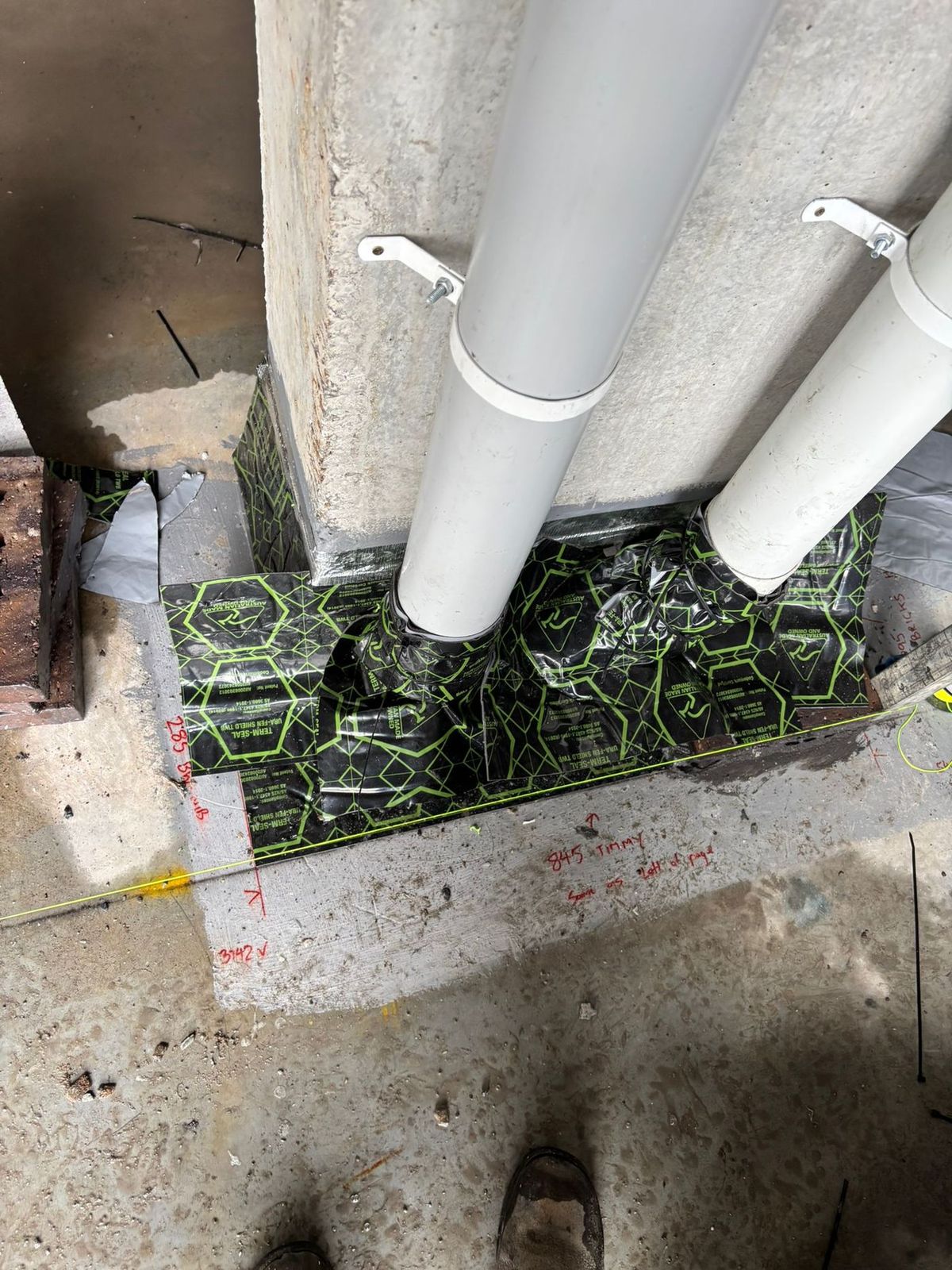
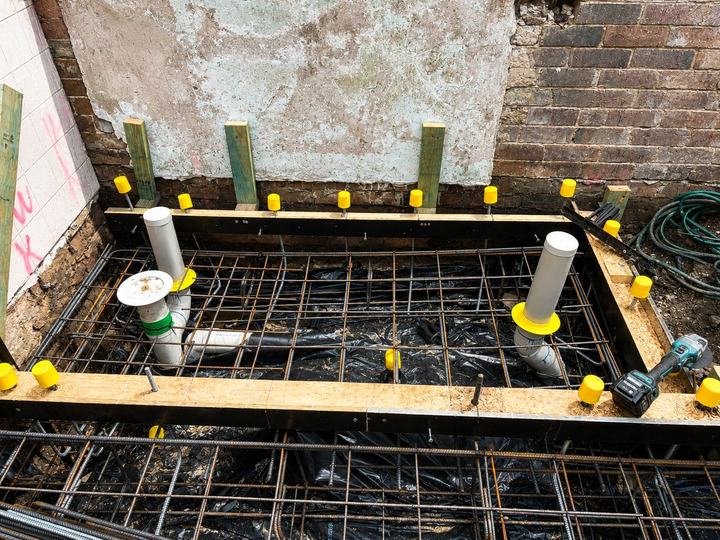
We install termite management systems on Canley Heights knockdown rebuilds and additions across the residential streets, as well as documented pest servicing for restaurants and commercial kitchens along Canley Vale Road where that is required. Slab-on-ground construction is standard, and every plumbing and services penetration is fitted with a collar before the concrete goes down. Where a rebuild sits near Green Valley Creek or Orphan School Creek, we treat the soil around the footprint as carefully as the slab edge itself.
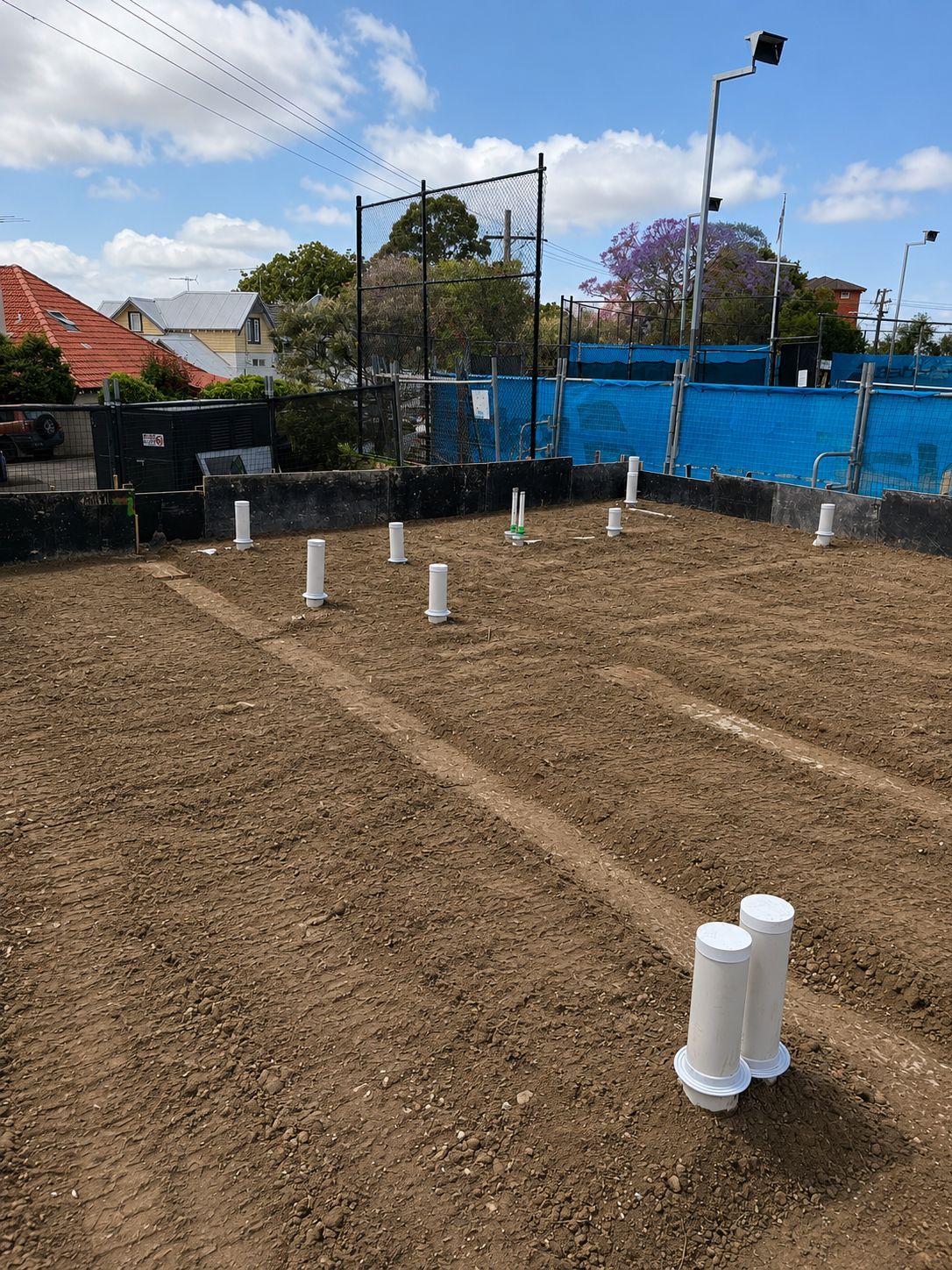
Under-slab membraneA termite-resistant sheet laid across the prepared ground before the pour.
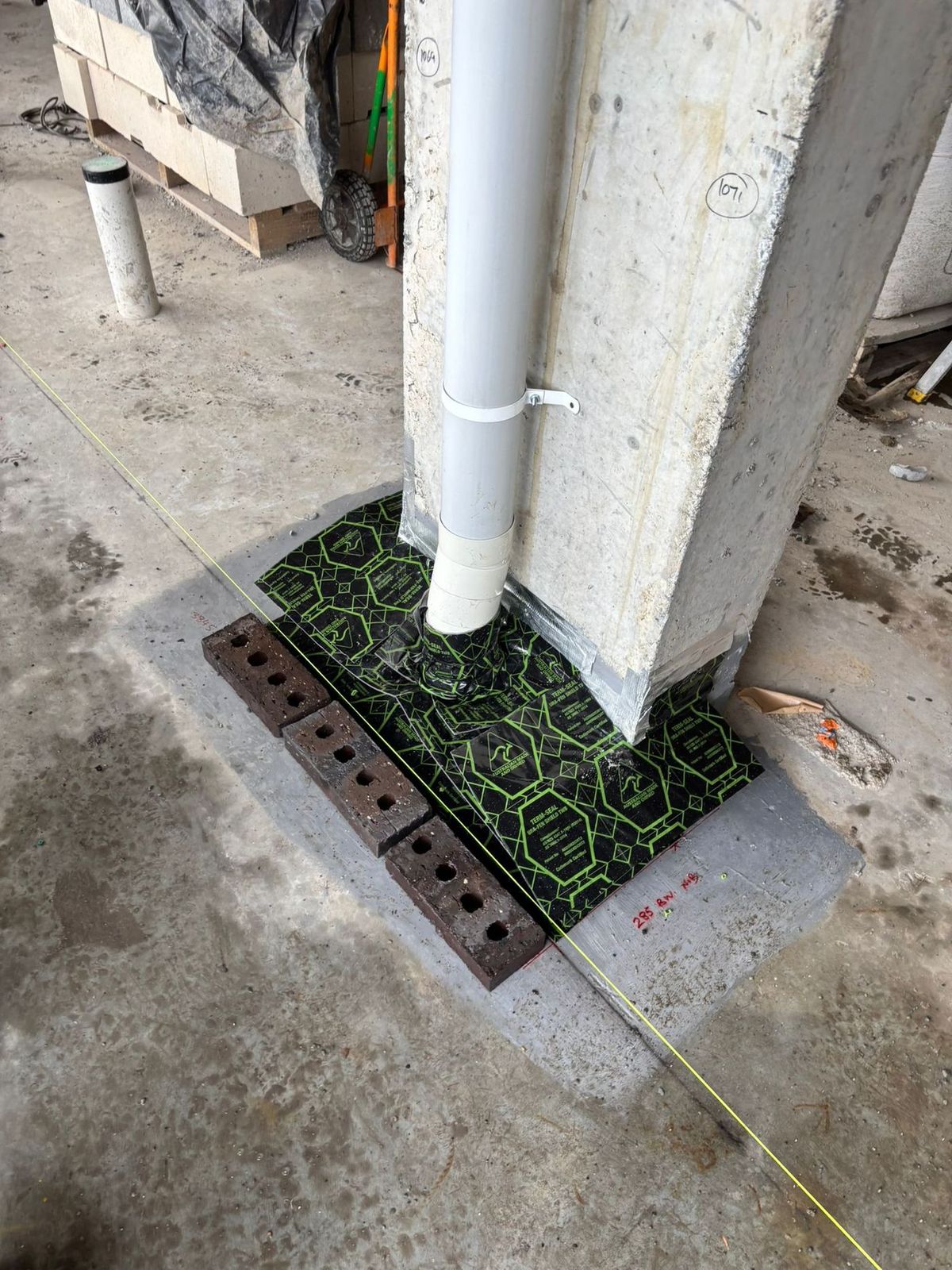
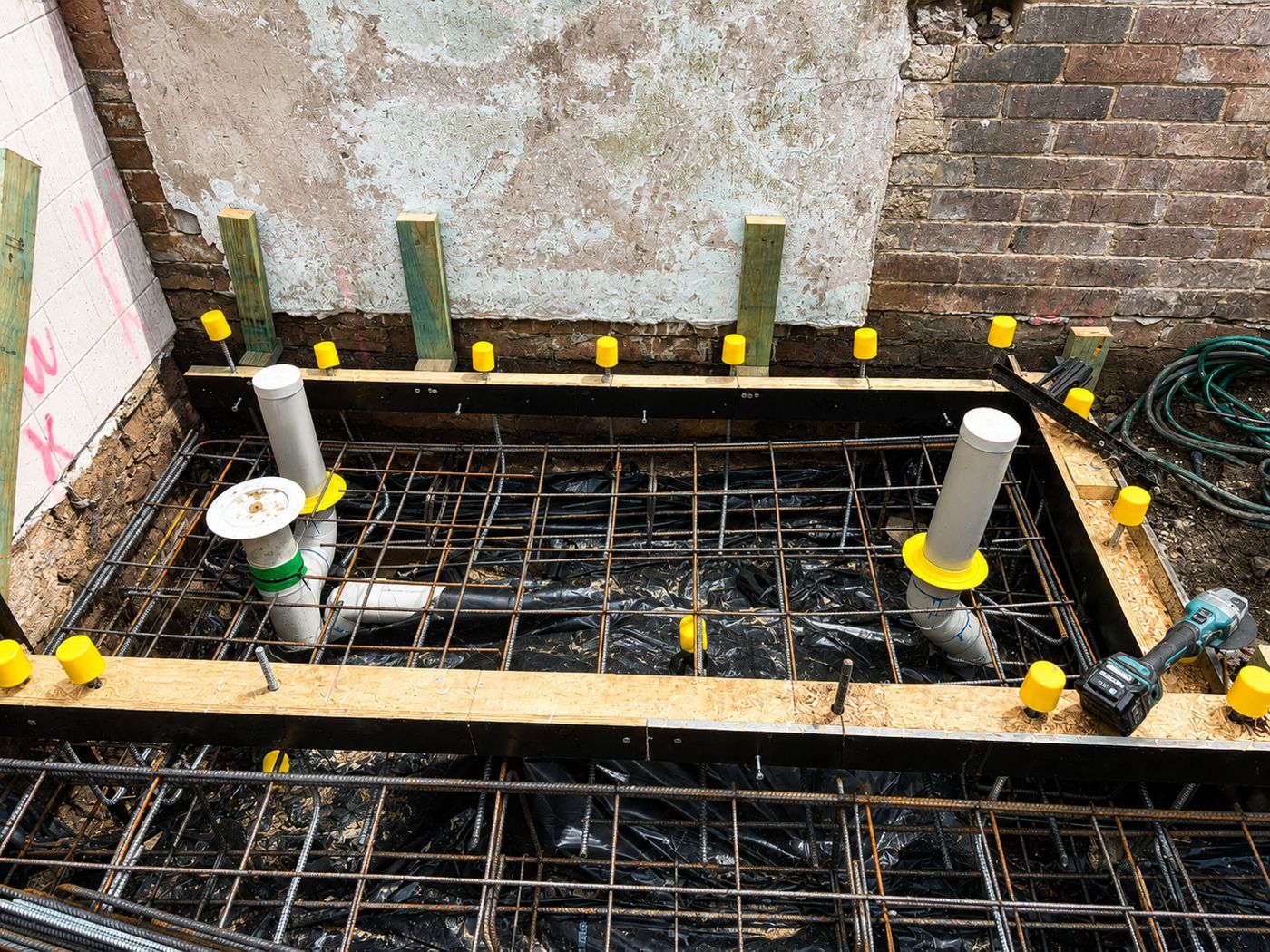
Penetration collarsCollars sealed to every pipe and conduit that comes up through the slab.
Perimeter & slab edgeA barrier at the slab edge and into the cavity, so nothing can track up hidden.
Chemical soil barrierAn APVMA-registered treated zone in the soil under and around the building.
ReticulationA pipe network laid before paving so the treated zone can be topped up later.
Piers & suspended floorsProtection for bearers, piers and suspended timber floors on sloping blocks.
Local knowledge
Around Canley Heights
Arbutus Park, about 0.3 km away, gives ants, spiders and rodents leaf litter and cover close to nearby homes. Viet Hoa Shopping Centre, roughly 1.2 km off, sits alongside the restaurant strip on Canley Vale Road, and both generate food waste that can keep rat and cockroach numbers up in back lanes. Canley Vale station, about 1.5 km away, adds a rail corridor whose drains rats use to travel, and homes near the creek reserves deserve a close look under the floor for existing termite activity.
Fairfield Council certifies new building work across Canley Heights. Before an Occupation Certificate is granted, it wants a durable notice permanently fitted in the meter box and a signed installation certificate detailing the products used, the coverage and our licence. For mixed commercial and residential projects on the dining strip, we also align the termite documentation with any ongoing pest servicing schedule the restaurant or business needs.
4 neighbouring suburbs covered by the same crew
Slab date locked in?Tell us the pour date and we will book the stages around your builder.
Most of the Sydney builds we work on use a combination: physical collars on every penetration plus a physical or chemical perimeter.
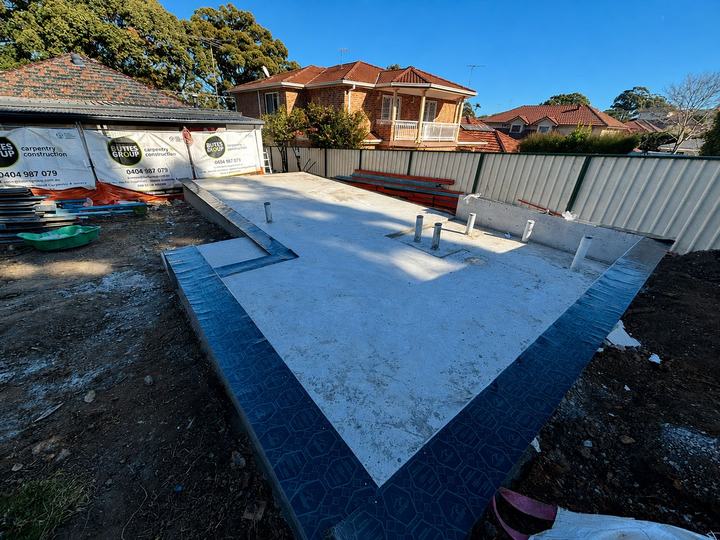
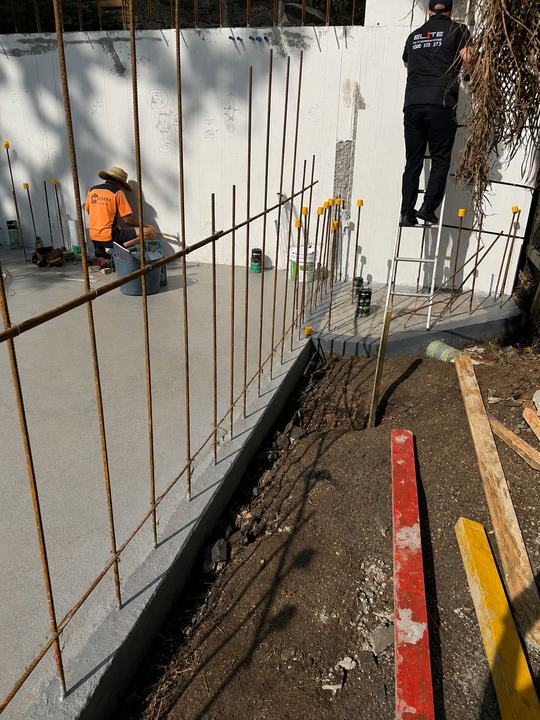
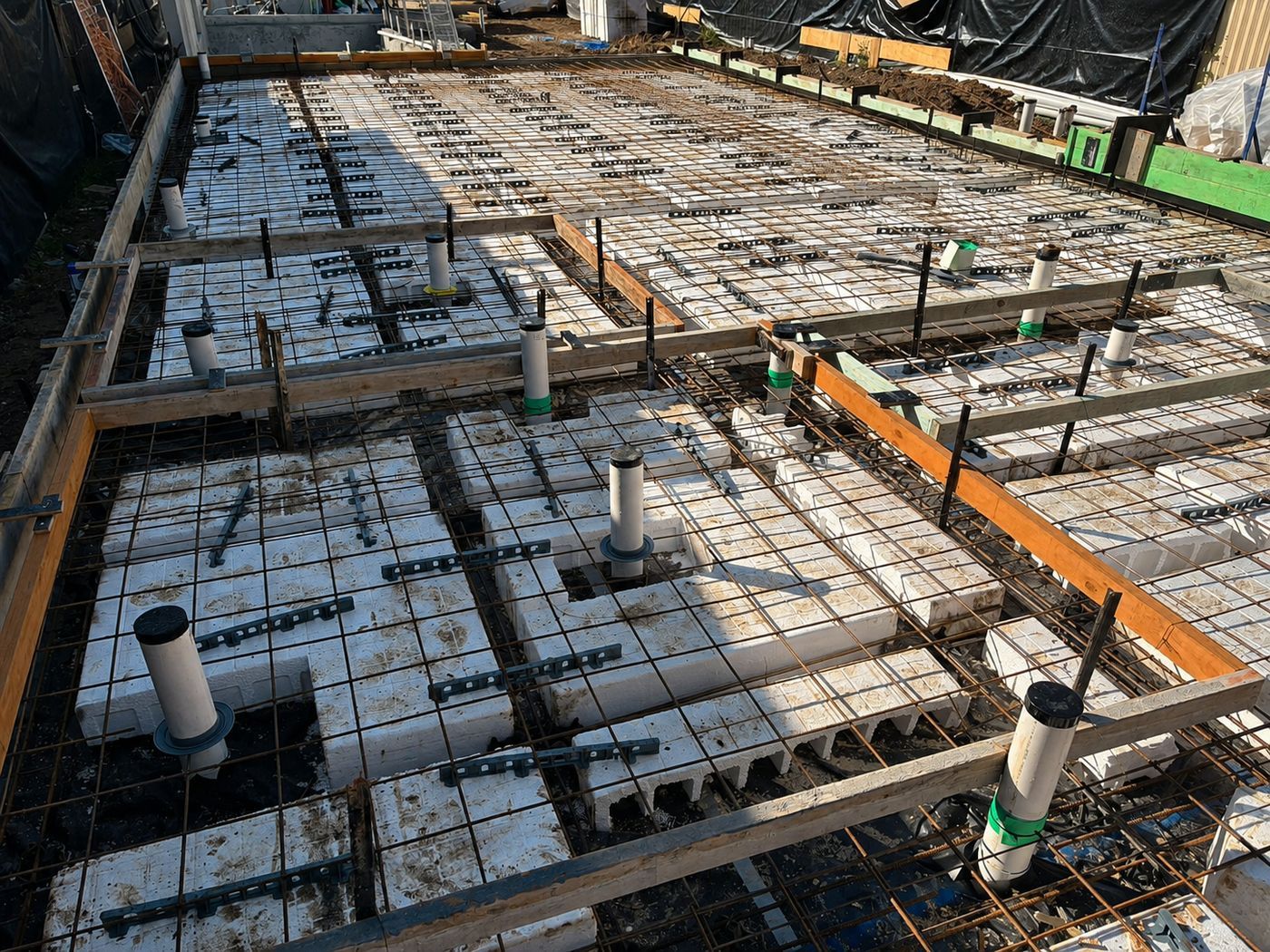
Our technician installing a perimeter barrier on a live Sydney site.
For builders & developers
Built around your program, not ours
Builders, developers and owner-builders get a fixed quote from plans, a technician who turns up when the site is ready, and paperwork that never holds up sign-off.
What we need to quote
Architectural or slab planSlab type: raft, waffle pod or suspendedSite addressRough pour dateRetaining wall & step-down details
Fitting in with your trades
Collars in before the pour inspection
Slab edge & cavity as walls go up
Perimeter done before paving
Multi-unit & repeat work
Consistent pricing across lots, one point of contact and a full document set for every dwelling.
No certification delays
Missing durable notices and unclear install records are a common reason Occupation Certificates get held up. We hand everything over together so your certifier has it all in one go.
Paperwork
Everything you get at handover
A complete document set for the builder, the certifier and every future owner of the property.
Durable notice
A permanent notice in the meter box showing the system, install date, installer, any chemical's life expectancy and inspection advice.
For: certifier, owner, future owners
Installation certificate
Written confirmation of the system and products used, the areas protected and our licence details.
For: builder, certifier, owner
Product information
Details of the physical system or termiticide installed, including safety data sheets for any chemicals.
For: builder, owner
Care & inspection advice
How to keep the system working, plus the recommended inspection frequency under AS 3660.2.
For: homeowner
From real jobs
Recent termite barrier installations
Photos from our own Sydney sites, not stock images. Tap any photo to see it larger.
A barrier only works while it stays intact and visible. Pass these on to the owner.
Keep at least 75 mm of the slab edge exposed. Don't cover it with soil, mulch or paving.
No garden beds or stacked timber against the house
Keep weep holes clear of render and debris
Fix leaking taps, downpipes and hot water units near the walls
Ask the installer before drilling through the slab or adding pipes
Book a timber pest inspection at least every 12 months
The inspection zone. An exposed strip of slab edge lets anyone spot termite mud tubes before they reach the frame, which is why paving, soil and mulch must stay below it.
Annual timber pest inspectionHanded over recently? We inspect the barrier and the building every 12 months.
Does living near the Canley Vale Road dining strip change what barrier we need?
The termite management system itself is the same AS 3660.1 standard regardless of location, but homes close to the strip can face more general pest pressure from late-night food waste, which is more relevant to rats and cockroaches than termites. We still base the barrier plan on soil and creek proximity rather than the dining strip itself.
Our rebuild backs onto Orphan School Creek. Does that affect the barrier?
Yes, soil near creek reserves like Orphan School Creek and Green Valley Creek tends to stay damper for longer, which is exactly the kind of ground termites prefer to forage through. We give the perimeter closer attention on blocks like this and check for any existing activity in the surrounding soil before the new slab goes down.
Can you set up ongoing pest servicing for a restaurant as well as the termite barrier for a new building?
Yes. Where a Canley Heights project combines a commercial kitchen with new residential space above or behind it, we set up the construction-stage barrier and a documented, scheduled pest program for the business side together, so both run under one arrangement and one set of dates rather than two separate contracts that are easy to lose track of.
Does a new home need a termite barrier in NSW?
In most cases, yes. The National Construction Code requires a termite management system for new houses and outbuildings in termite-prone areas where the primary building elements can be damaged by termites. Sydney is termite-prone, so the system is installed to AS 3660.1 and your certifier asks for the installation certificate and durable notice before the Occupation Certificate is issued.
What does a pre-construction barrier cost?
It depends on slab area, perimeter length, the number of pipe penetrations, the system chosen, site complexity and how many visits the build needs. Send us the plans and we return one fixed written quote covering every stage. Quoting is free.
Nearby
We also install barriers around Canley Heights
Same crew, same staging and the same certifier-ready paperwork, right across the South West Sydney.
From the Eastern Suburbs and Inner West to the Hills, the Shire and the western growth corridors. Every suburb has its own page with the local ground conditions, the council that certifies the work and the questions builders there ask us.