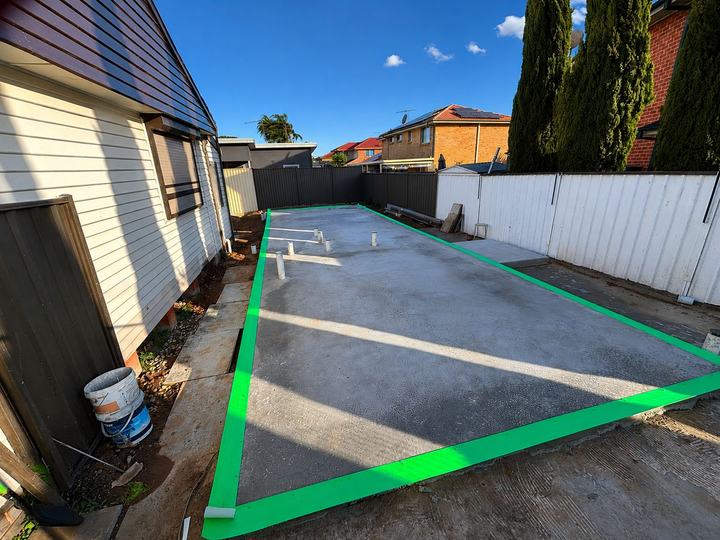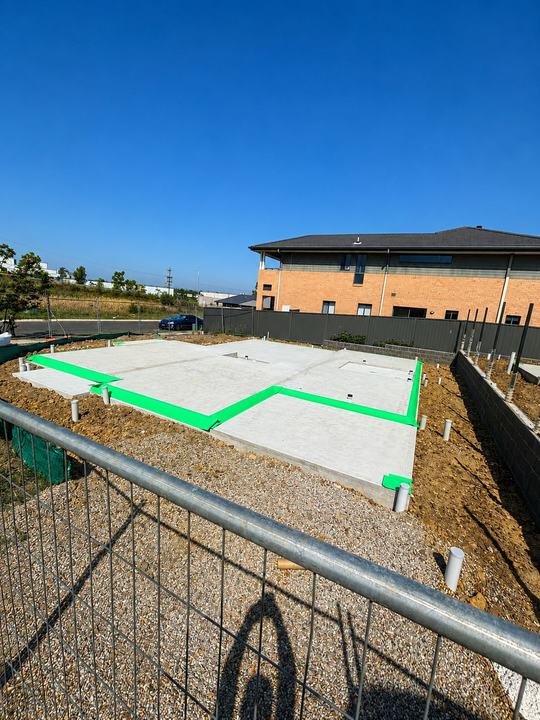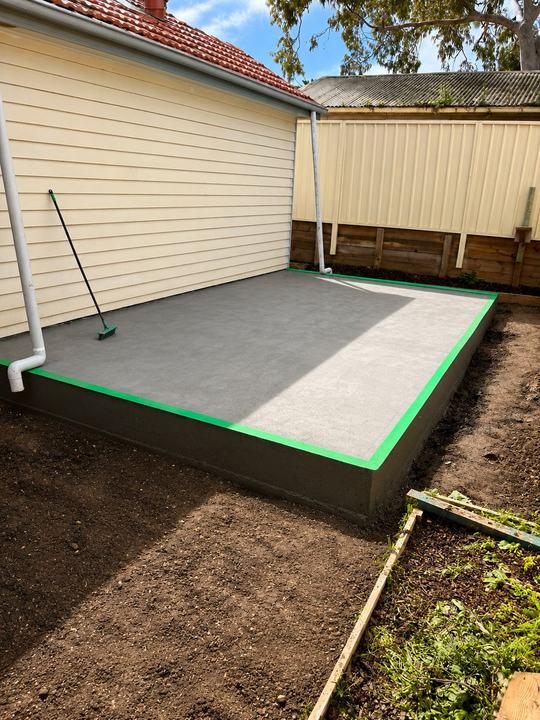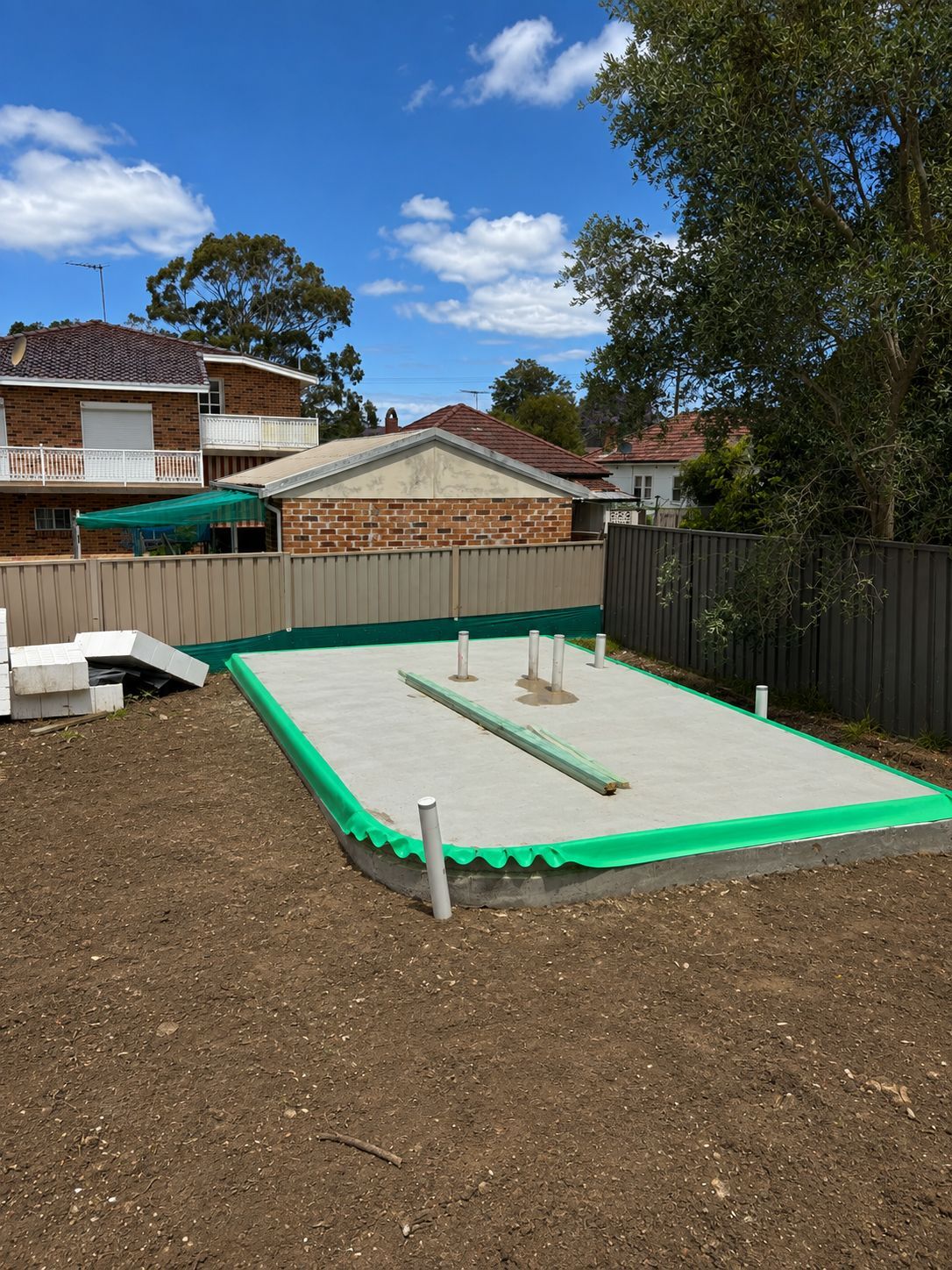
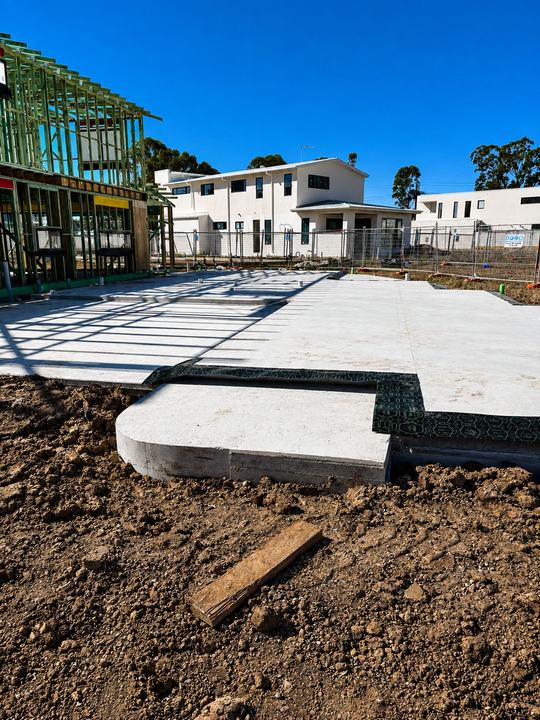
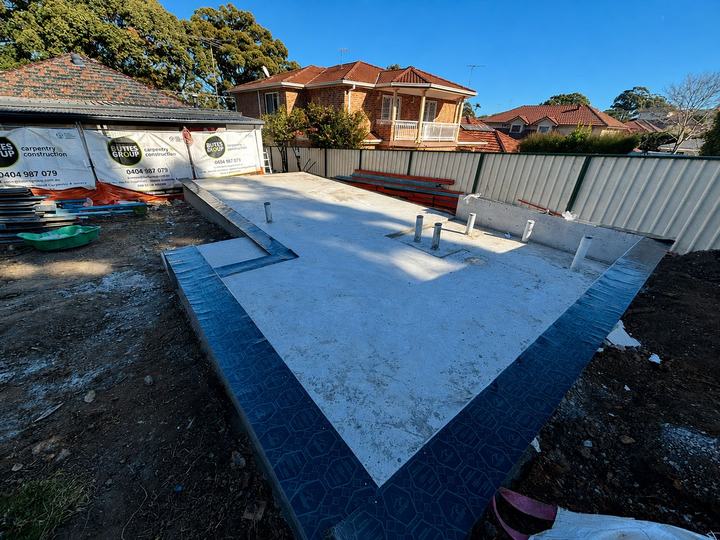
Completed slab with a perimeter termite barrier in place

Inner West · AS 3660.1

Pre-Construction Termite Barriers Croydon Park

AS 3660.1 termite barriers for new homes and rebuilds near the Cooks River and Georges River Road, Croydon Park, postcode 2133, across Canterbury-Bankstown, Burwood and Inner West Council.

Postcode2133
DistrictInner West
From the CBD9.8 km west
CouncilInner West Council

Quick answer

New homes and rebuilds near the Cooks River in Croydon Park each need a termite management system, given the National Construction Code treats the surrounding council areas as termite-prone. AS 3660.1 governs how it is installed, finished before the pour. The certifier needs a durable notice for the meter box, plus a matching installation certificate, before granting the Occupation Certificate.

Termite barriers in Croydon Park

Why Croydon Park builds need the barrier in before the pour

Croydon Park is a largely residential suburb about 9.8 km west of the Sydney CBD, in postcode 2133, divided between the City of Canterbury-Bankstown, the Municipality of Burwood and Inner West Council. The land was subdivided in the 1870s and 1880s, with early residents including tradespeople and Chinese market gardeners, and today the suburb is mostly detached houses with a commercial strip along Georges River Road. It borders the Cooks River, where a cycleway runs along the bank, and has several parks including Picken Oval, Lees Park and Jackson Park. New building work here is mostly knockdown rebuilds on these older subdivided blocks rather than large new estates, since the suburb has been settled for well over a century.

The Cooks River and Croydon Park's many reserves matter for how a barrier is planned. Land near the river can be damp and low-lying, which is the kind of ground subterranean termites move through easily, and the sports fields and gardens at Picken Oval, Lees Park and Jackson Park give termite activity a way to travel between green space and nearby yards. A rebuild on a block subdivided in the 1870s or 1880s often carries well over a century of accumulated garden work and old buried timber, on top of whatever moisture the river brings. We look at how close each property sits to the Cooks River before finalising the perimeter and under-slab plan, since that proximity changes what the barrier needs to deal with.

Reviewed by Ismail, founder · Inner West coverage · Updated September 2026 · More Inner West suburbs

Get my fixed quote
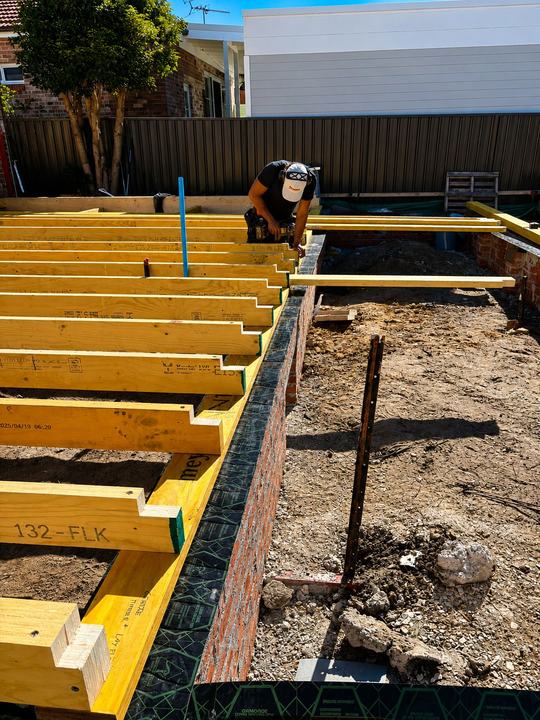
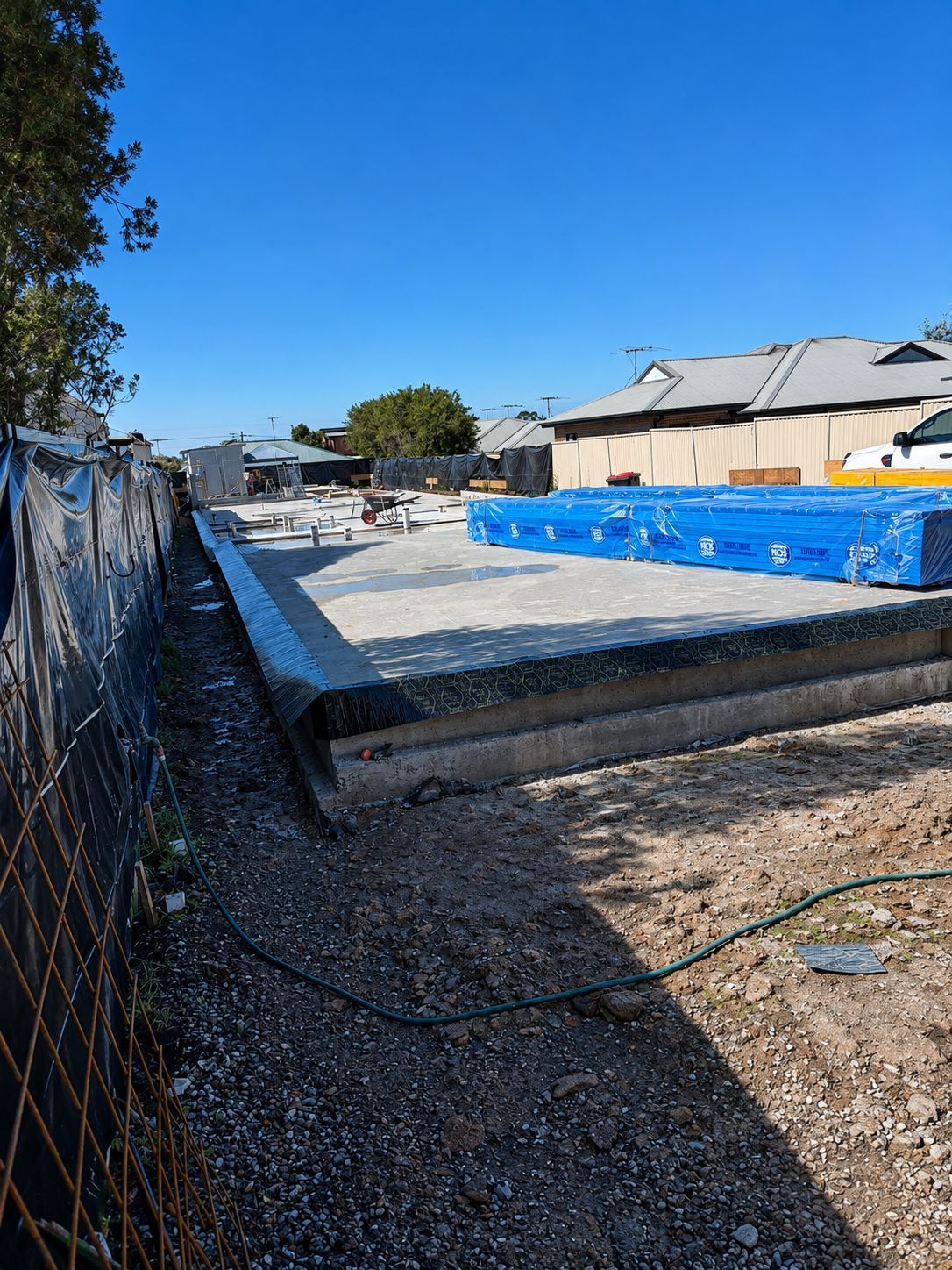
Perimeter barrier in place as framing begins
Perimeter barrier in place as framing begins — one of our own Inner West installations.

Local conditions

What makes Croydon Park blocks a termite risk

Three things shape termite barrier work on a Croydon Park site.

Low-lying ground near the Cooks River

Blocks close to the Cooks River can sit on damp, low-lying ground, which is exactly the kind of soil subterranean termites move through most easily. Riverside blocks get the full perimeter and under-slab treatment rather than a minimum edge strip.
Rebuilds on 1870s and 1880s subdivisions

Much of Croydon Park was subdivided in the 1870s and 1880s, and a rebuild on one of these established blocks brings well over a century of accumulated garden work and old timber offcuts into the picture. A colony can easily have taken hold in that material long before the new slab is even planned.

Parks and reserves through the suburb

Picken Oval, Lees Park and Jackson Park give termite activity a route between green space and residential yards. Blocks near these reserves, as well as Martin Reserve and Graham Reserve, get closer perimeter attention than a site well away from any park.

What we install here

Building in Croydon Park

We work on Croydon Park knockdown rebuilds and granny flats across the suburb's older subdivided blocks, with closer attention to riverside properties near the Cooks River. Waffle pod and raft slabs are the norm, and suspended floors turn up more often on the lowest-lying blocks close to the river. A collar goes on every plumbing penetration ahead of the pour, and we check for damp soil against the house, termite activity along garden edges and fences, and drainage around the slab before finishing the installation.

  • Under-slab membraneA termite-resistant sheet laid across the prepared ground before the pour.
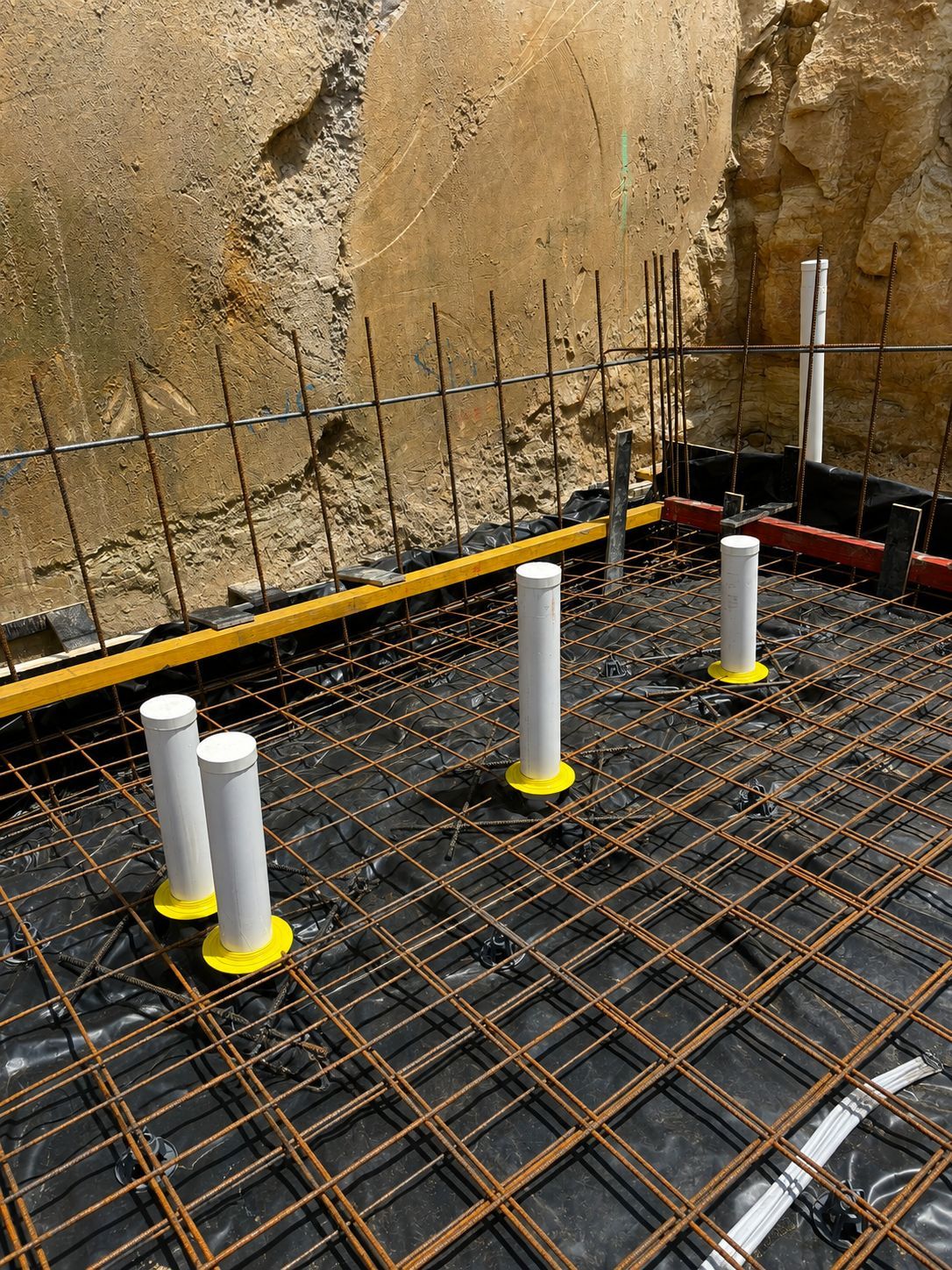
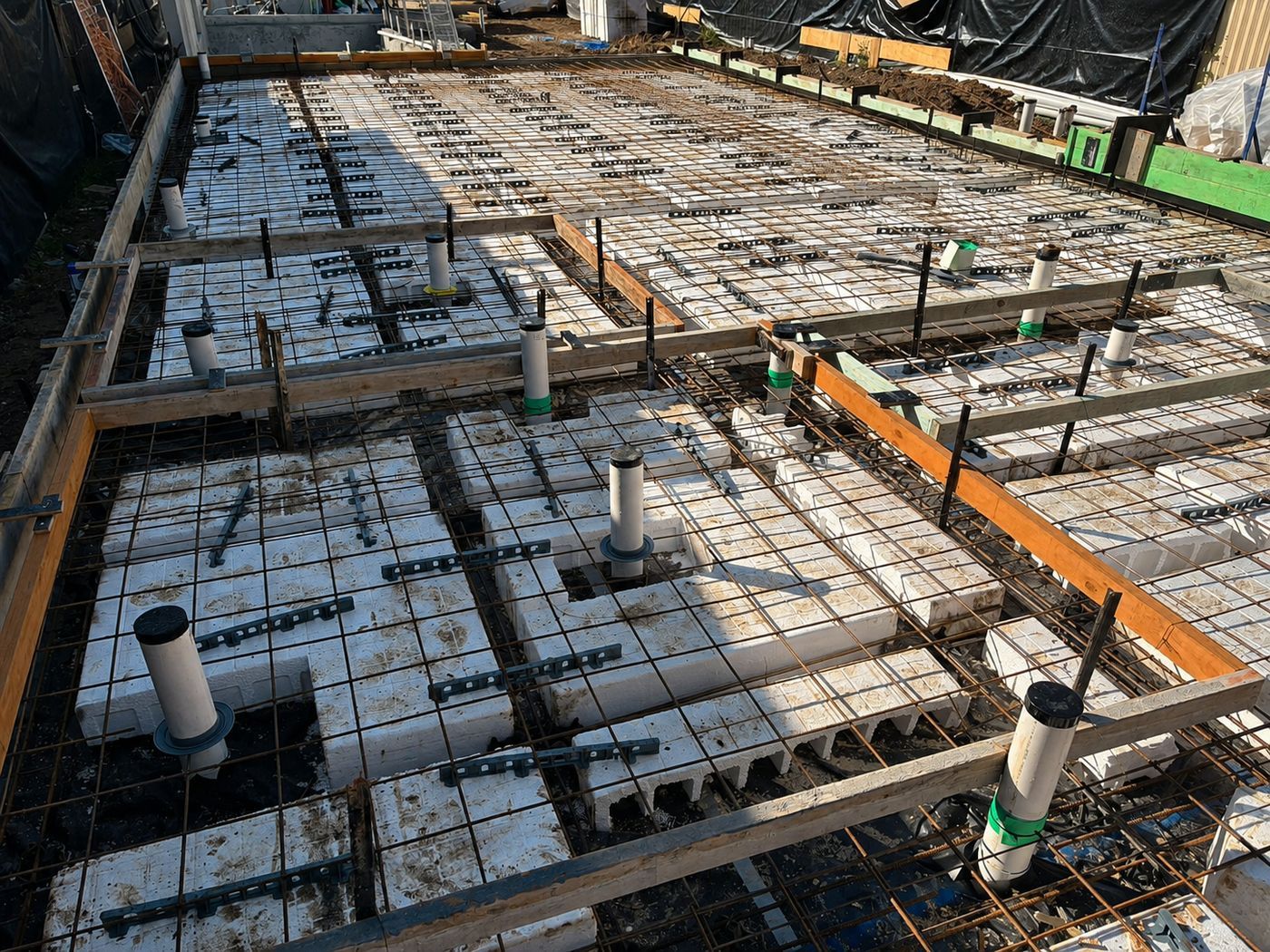
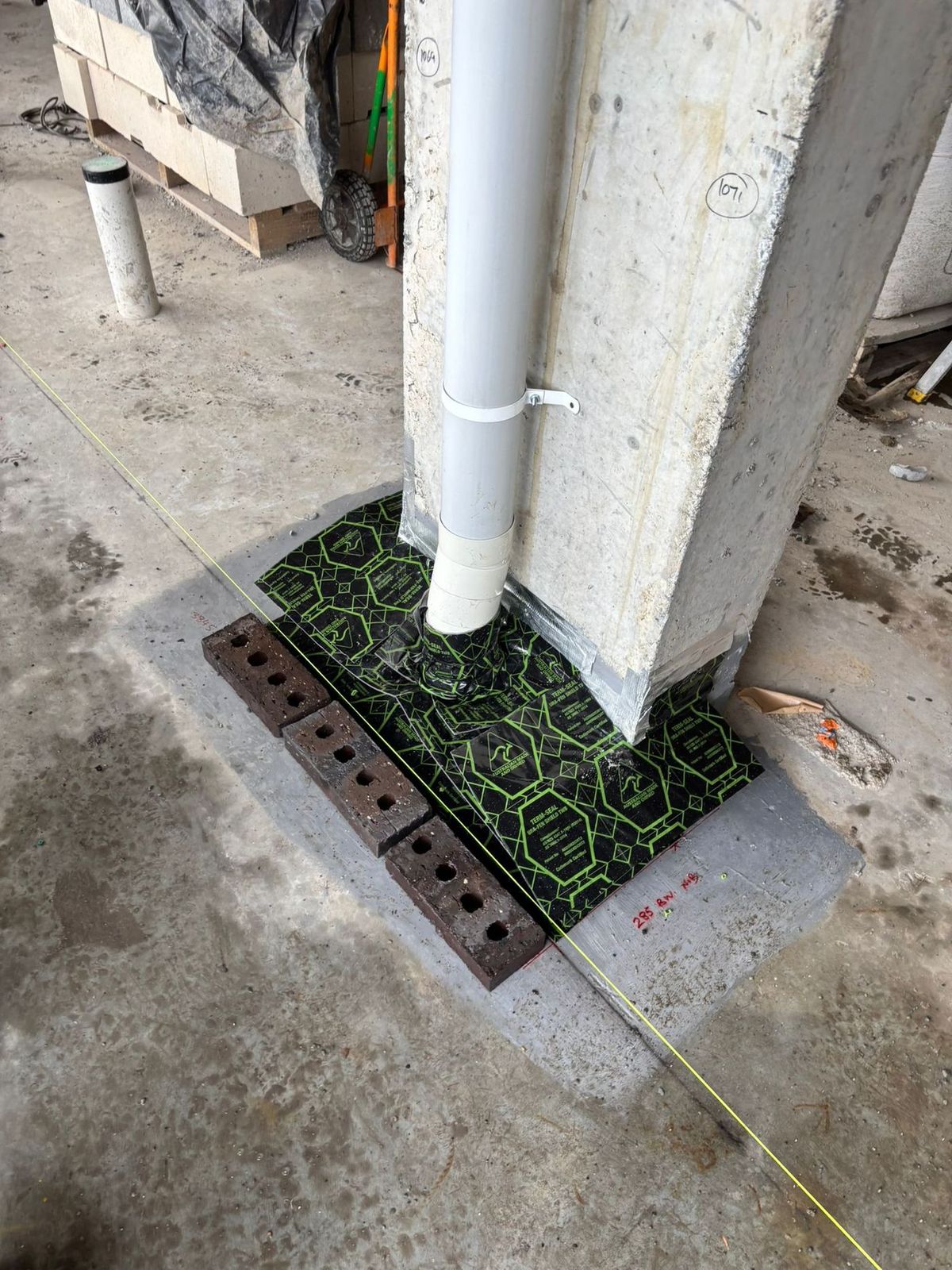
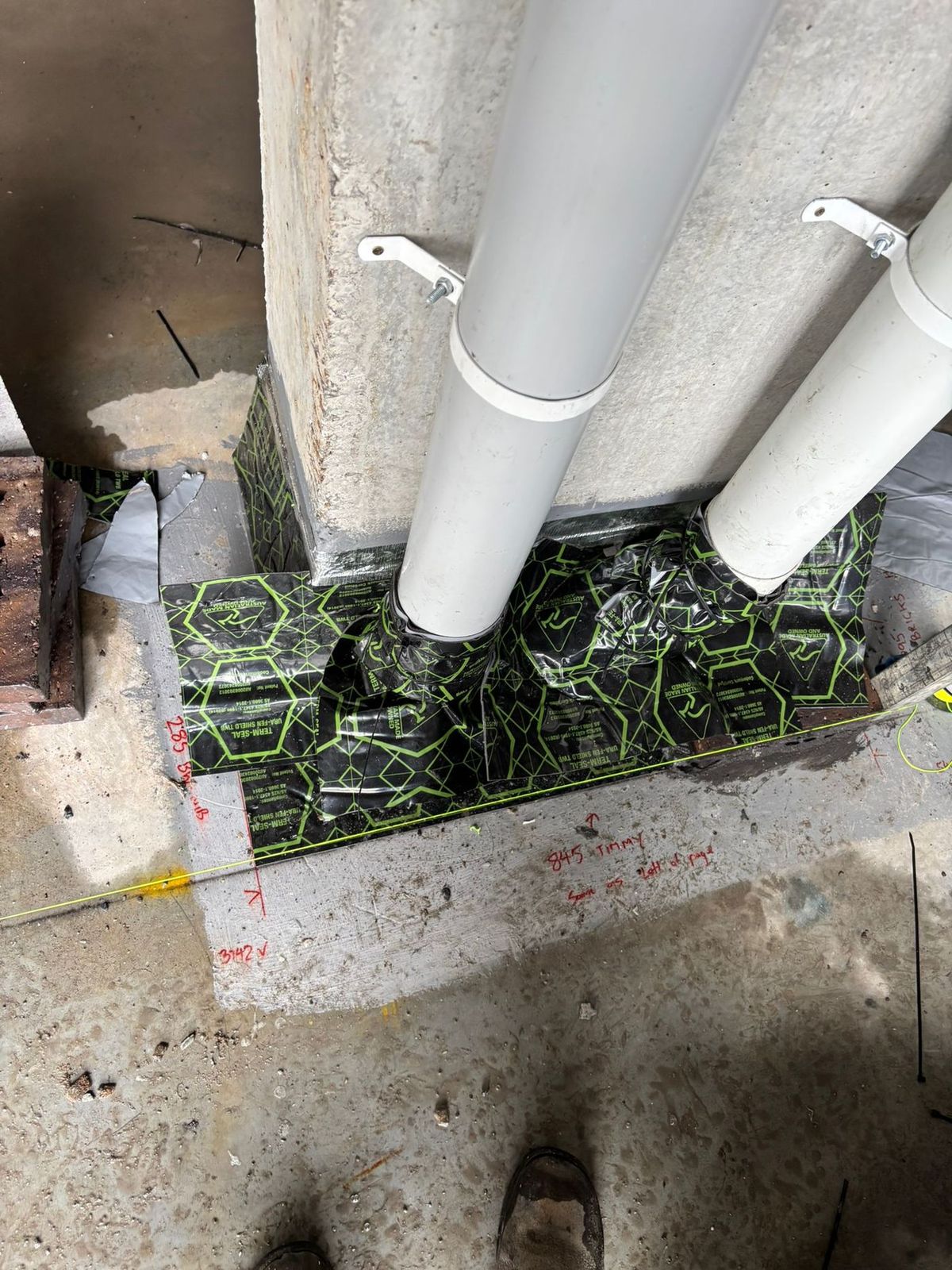
  • Penetration collarsCollars sealed to every pipe and conduit that comes up through the slab.
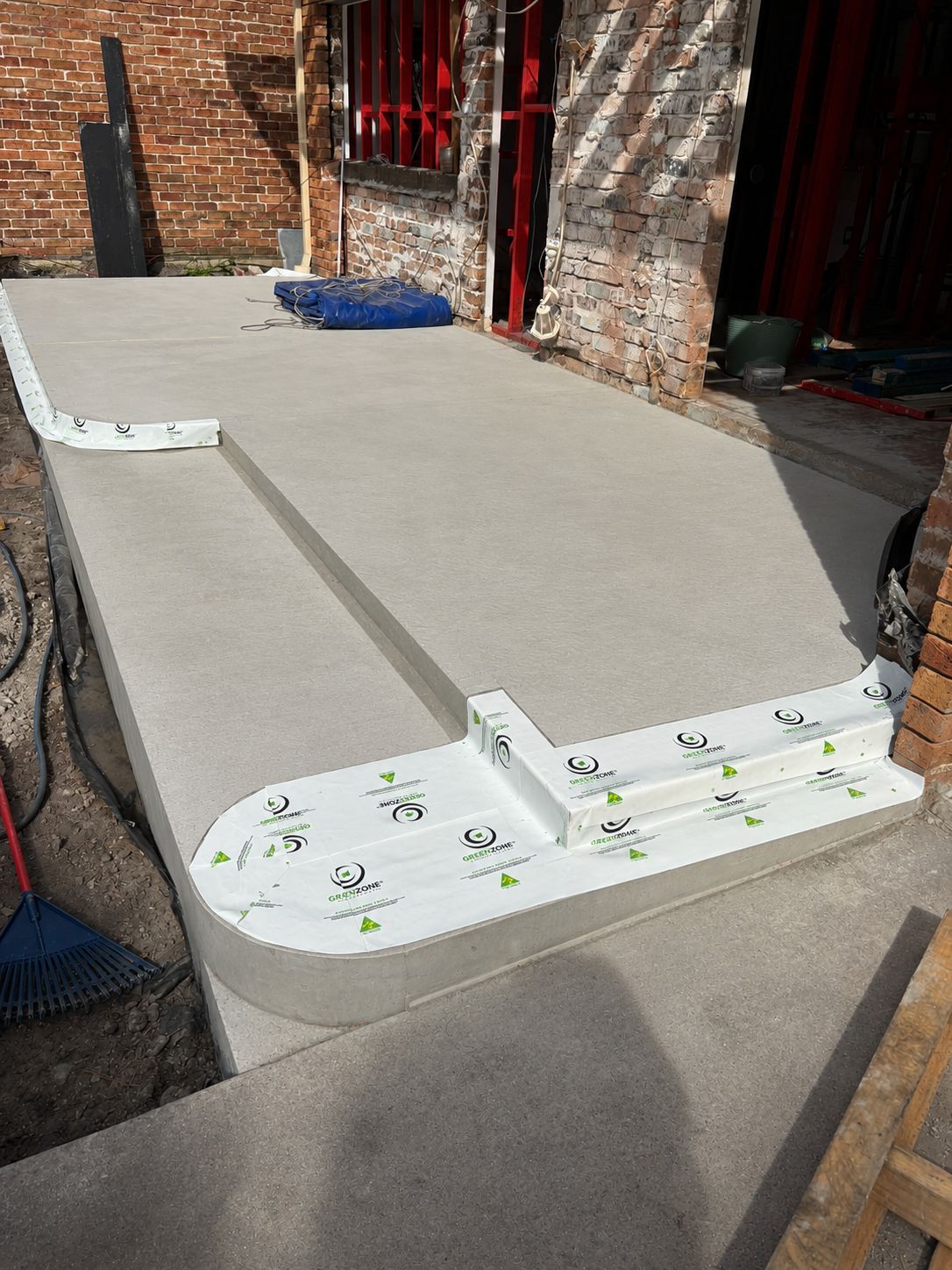
  • Perimeter & slab edgeA barrier at the slab edge and into the cavity, so nothing can track up hidden.
  • Chemical soil barrierAn APVMA-registered treated zone in the soil under and around the building.
  • ReticulationA pipe network laid before paving so the treated zone can be topped up later.
  • Piers & suspended floorsProtection for bearers, piers and suspended timber floors on sloping blocks.

Local knowledge

Around Croydon Park

Martin Reserve, about 0.3 km from the suburb centre, and Graham Reserve, about 1.3 km away, are green pockets close to many rebuild sites where leaf litter and mulch can shelter termite activity. Campsie Shopping Centre, about 1.9 km off, marks the edge of Croydon Park's own catchment. The Cooks River, running along the suburb's edge with its riverside cycleway, is the single biggest influence on how a barrier is planned here, since blocks closest to the river carry the dampest, lowest-lying ground in Croydon Park.

Croydon Park sits across the City of Canterbury-Bankstown, the Municipality of Burwood and Inner West Council, so which certifier applies depends on the property's location. Whichever it is, the Occupation Certificate will not be signed off until the meter box carries its durable notice and the certifier has a matching installation certificate on file. On riverside blocks near the Cooks River, we also record sub-floor drainage and ventilation details alongside the barrier itself, so the paperwork covers the full picture.

Slab date locked in?Tell us the pour date and we will book the stages around your builder.

Croydon Park at a glance

Termite barrier facts for Croydon Park

SuburbCroydon Park, NSW 2133
DistrictInner West
Distance from Sydney CBD9.8 km west
Certifying councilInner West Council
Standard appliedAS 3660.1 termite management systems
InstalledBefore the slab pour, then staged through the build
Documents suppliedInstallation certificate and durable notice
Typical builds coveredNew homes, knockdown rebuilds, granny flats, duplexes, townhouses

Systems we install

The right barrier for your slab and your site

Every photo below is from one of our own Sydney jobs. We look at your slab design, site and budget, then recommend a system or a combination.

Physical termite barrier laid over the slab preparation01

Under-slab membrane

A termite-resistant sheet laid over the whole prepared footprint before concreting, so termites can't come up through the slab anywhere.

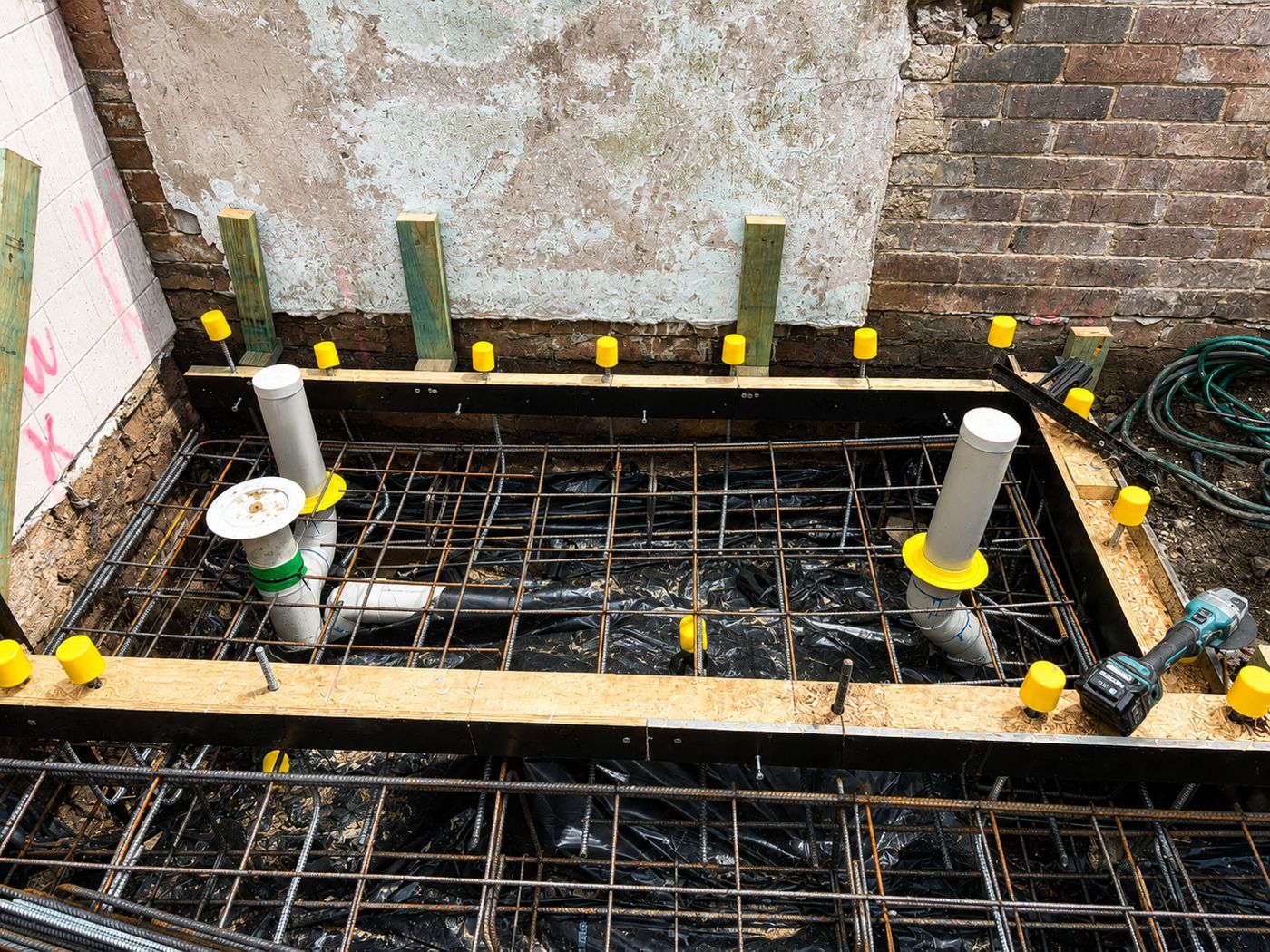
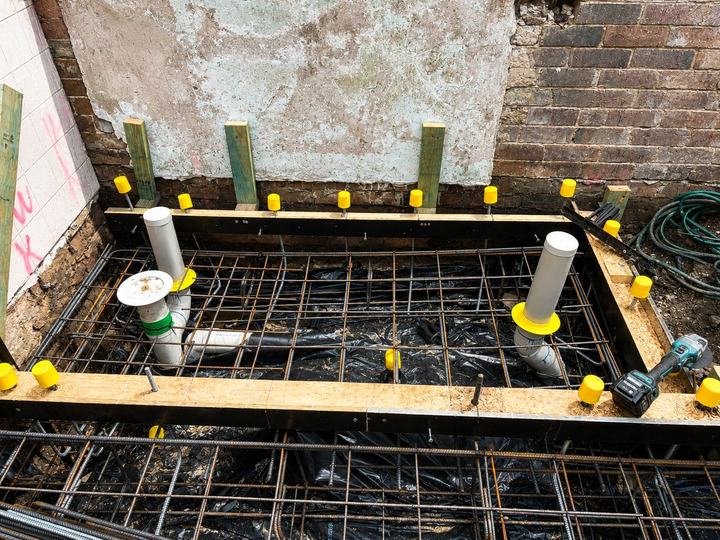
Penetration collars fixed through mesh before concreting02

Penetration collars

A sealed collar on every pipe, conduit and service that passes through the slab. These gaps are the most common hidden way in.

Completed slab with a perimeter termite barrier in place03

Slab edge & cavity barrier

Protection at the slab edge and into the wall cavity, which stops termites building hidden tunnels up the outside of the slab.

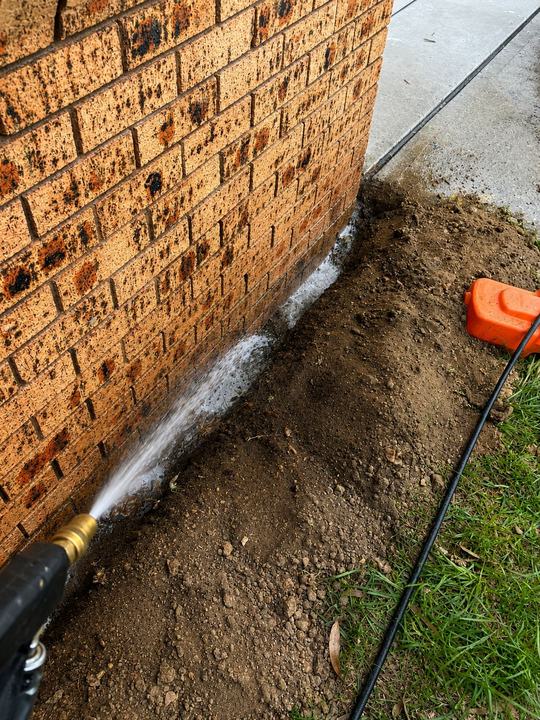
Chemical soil barrier applied along a brick footing04

Chemical soil barrier & reticulation

An APVMA-registered termiticide zone in the soil, with an optional pipe network under paving so it can be recharged later without digging.

Termite barrier beneath a suspended timber floor05

Suspended floors & piers

Barriers for bearers, piers and raised timber floors on sloping or elevated blocks, where there's no slab to protect.

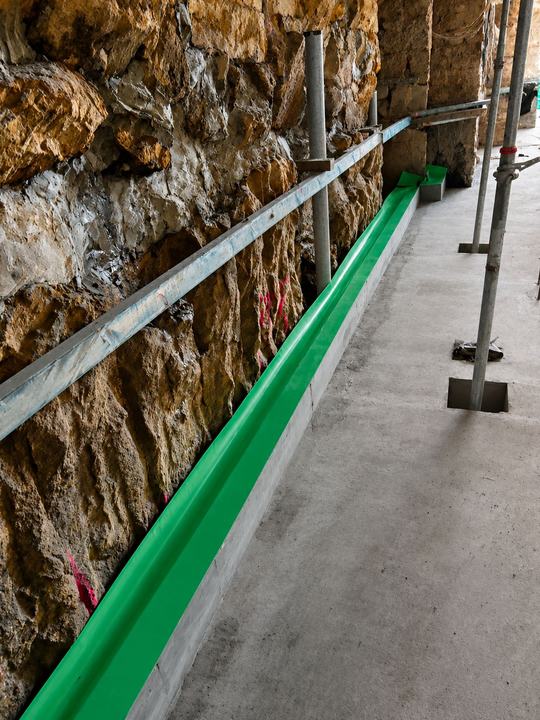
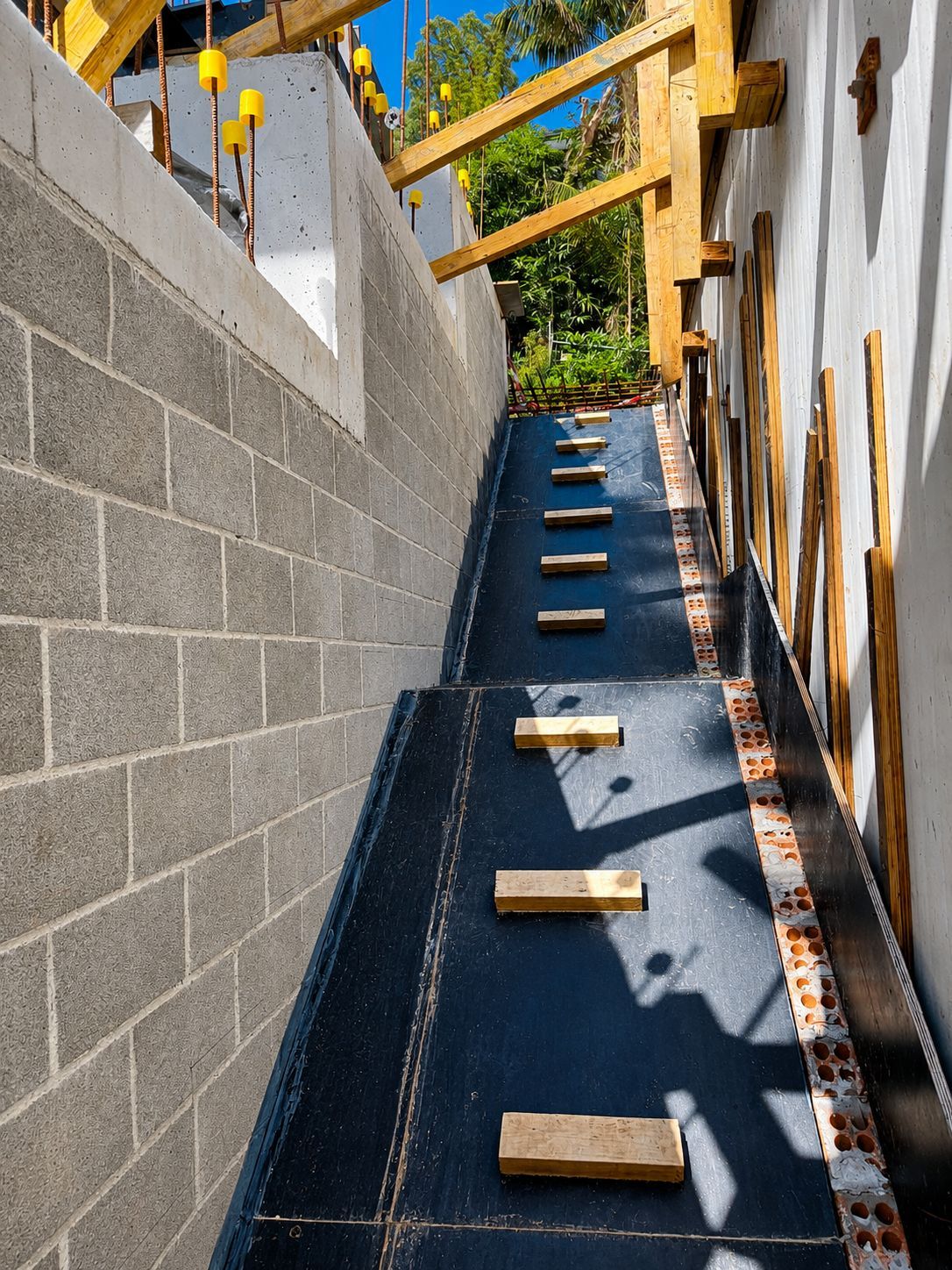
Perimeter barrier run against a sandstone wall06

Retaining walls & tricky sites

Detailing for sandstone cuts, block retaining walls, step-downs and cut-and-fill sites, which are common across Sydney.

Why during construction

Do it now, or pay more to do less later

A retrofit can only treat around a finished house. A pre-construction system protects the parts nobody will ever be able to reach again.

Costs far less

A barrier put in during the build costs a fraction of a post-construction system, and far less than repairing termite damage.

Meets the NCC

New houses (Class 1) and outbuildings (Class 10) with termite-susceptible framing need a compliant termite management system.

Hidden gaps sealed

Pipe penetrations and slab joints can only be fully protected while they're still open, before the concrete goes in.

The whole footprint

An under-slab system covers ground that no treatment from outside the finished house can ever reach.

No OC delays

Your certifier needs the certificate and durable notice before issuing the Occupation Certificate. We supply both together.

Easier to sell

Documented, compliant protection gives buyers, building inspectors and lenders confidence when the home is sold.

Installation stages

Installed in stages that follow your build

A termite barrier isn't a single visit. Each part goes in when the site is ready for it, and we fit around your plumber, concreter and bricklayer.

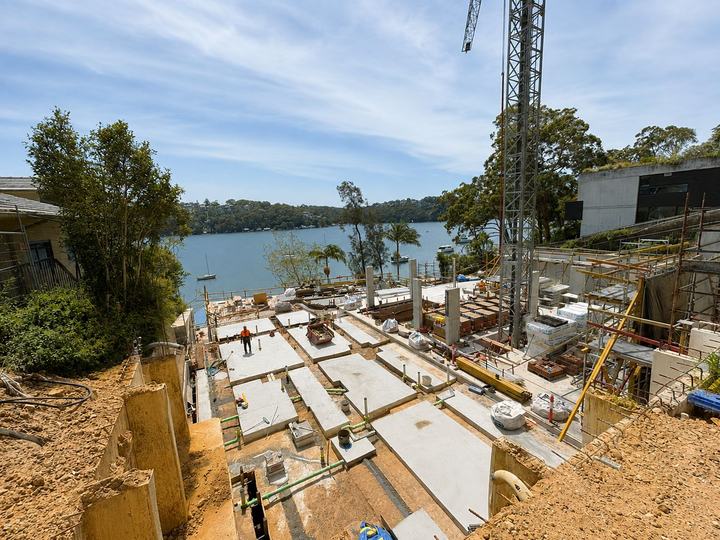
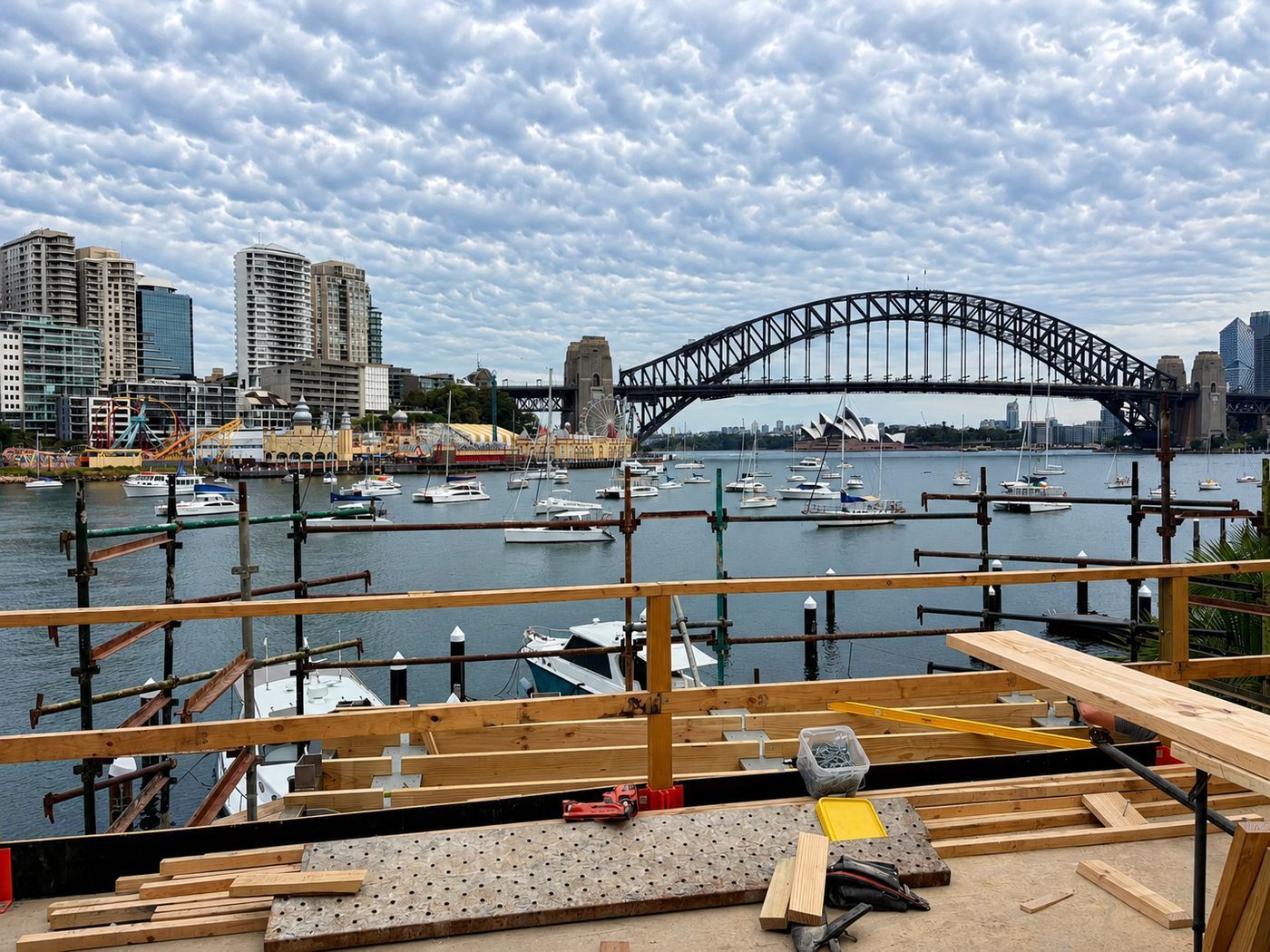
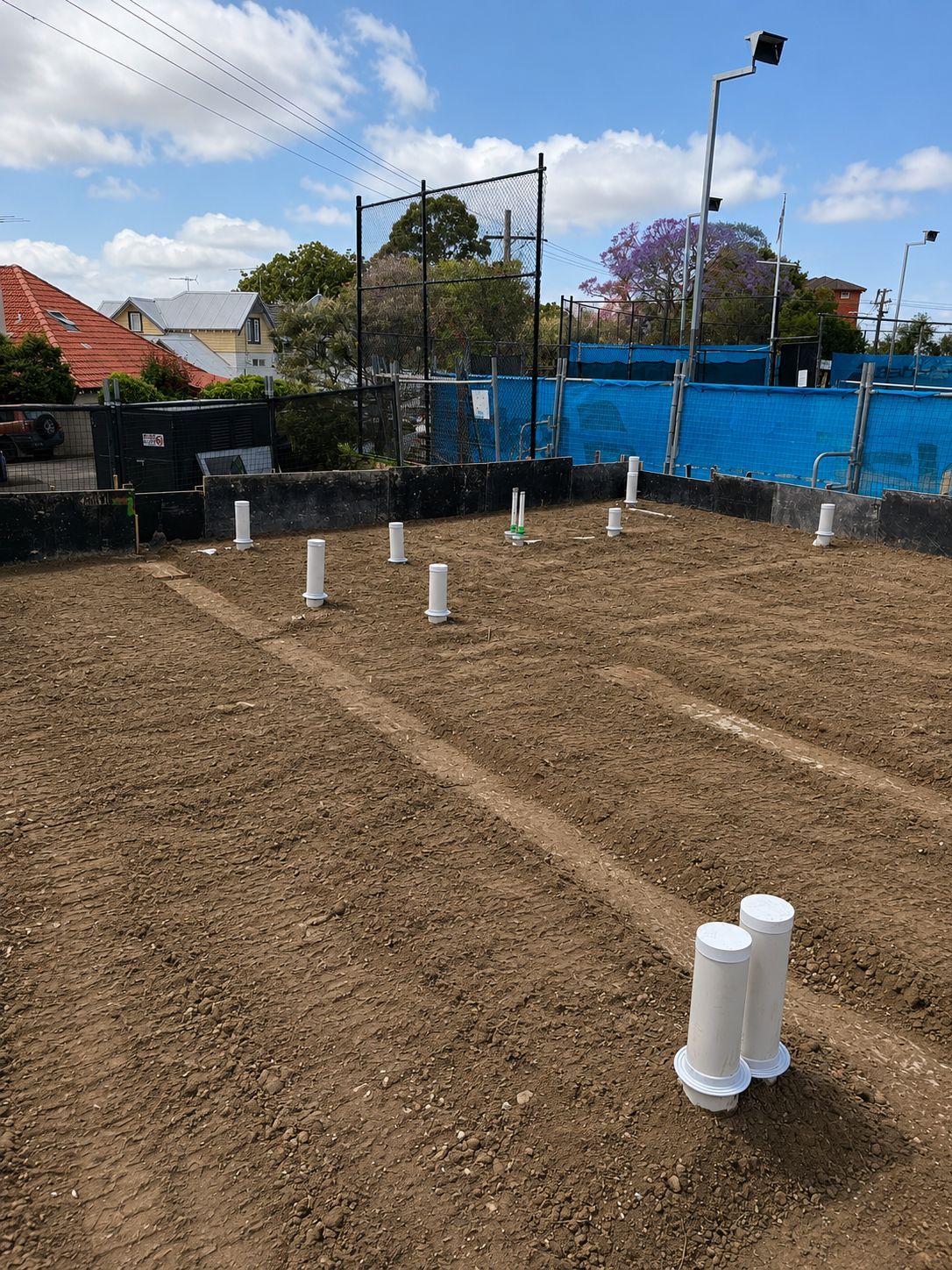
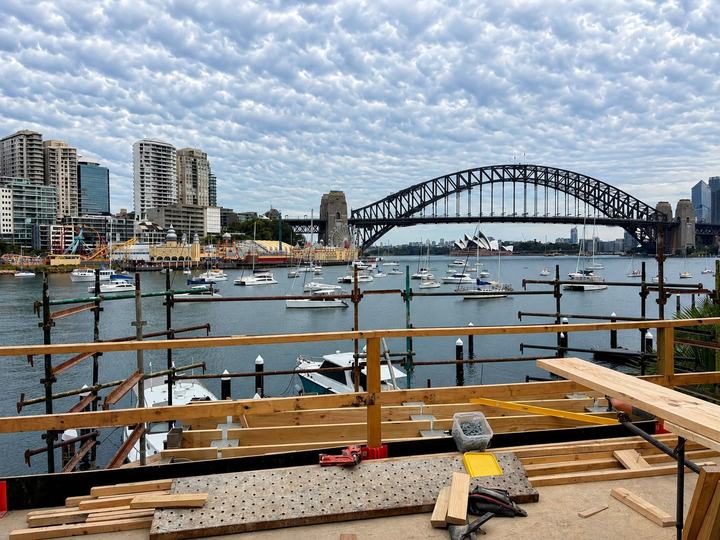
Waterfront building site ready for pre-construction termite protection
Step 01Design / DA

Plans & fixed quote

Send your plans and slab details. We recommend a system and give you one fixed price that covers every stage.

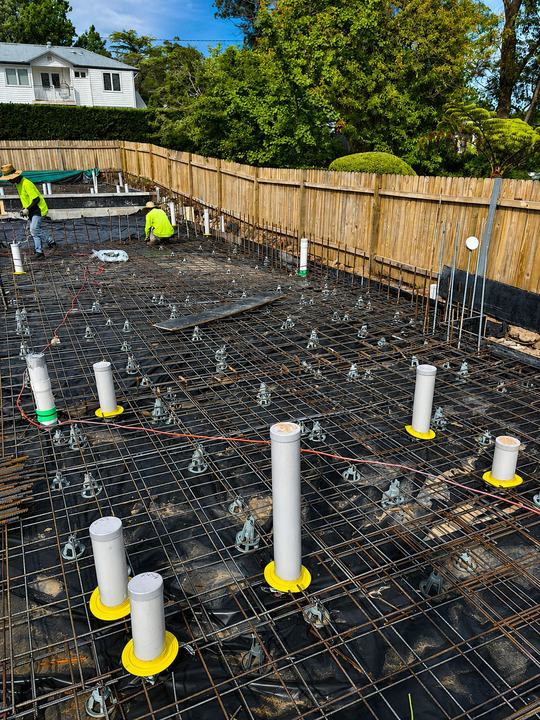
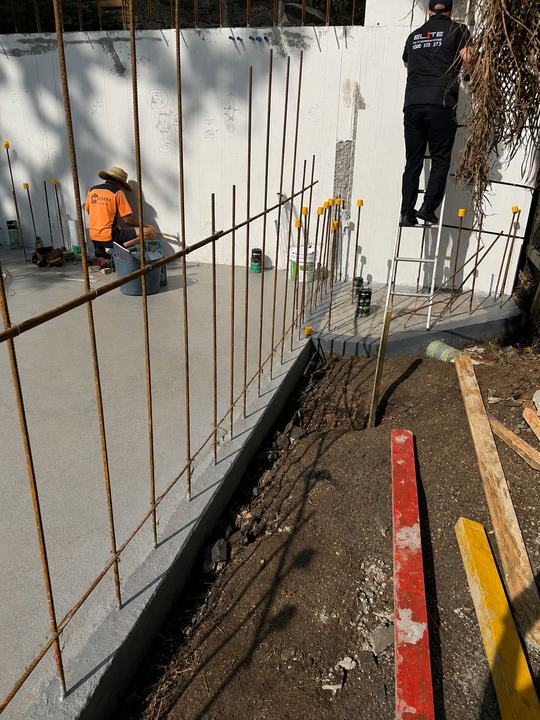
Service penetration collars set out through the reinforcement mesh
Step 02Before the pour

Collars & under-slab

Collars go on every service once the plumber has set out, then the membrane or soil treatment is installed across the prepared site.

Perimeter barrier in place as framing begins
Step 03Walls going up

Slab edge & cavity

Perimeter and cavity protection is fitted as the brickwork or cladding goes up, so there's no unprotected gap at the slab edge.

Perimeter barrier on a new build in a Sydney estate
Step 04Before landscaping

Final perimeter

Where it's specified, the chemical perimeter or reticulation system is completed around the building before paths and gardens go in.

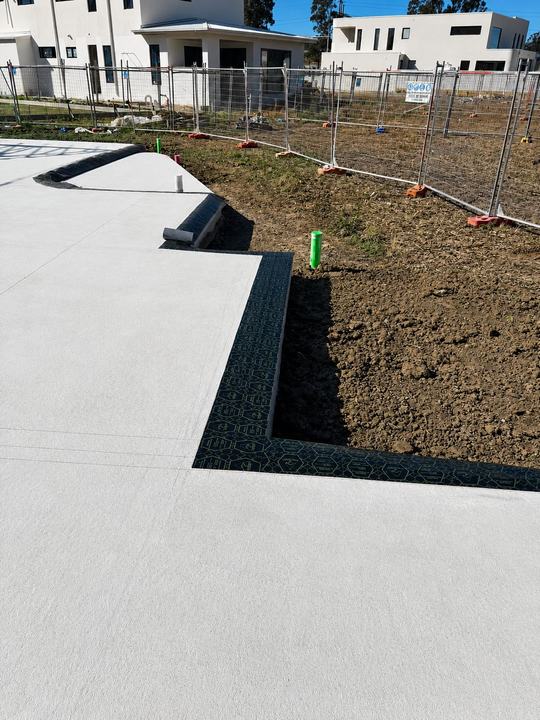
Barrier membrane visible along a finished slab edge
Step 05Pre-OC

Notice & certificate

A durable notice goes in the meter box, and the installation certificate goes to your builder and certifier.

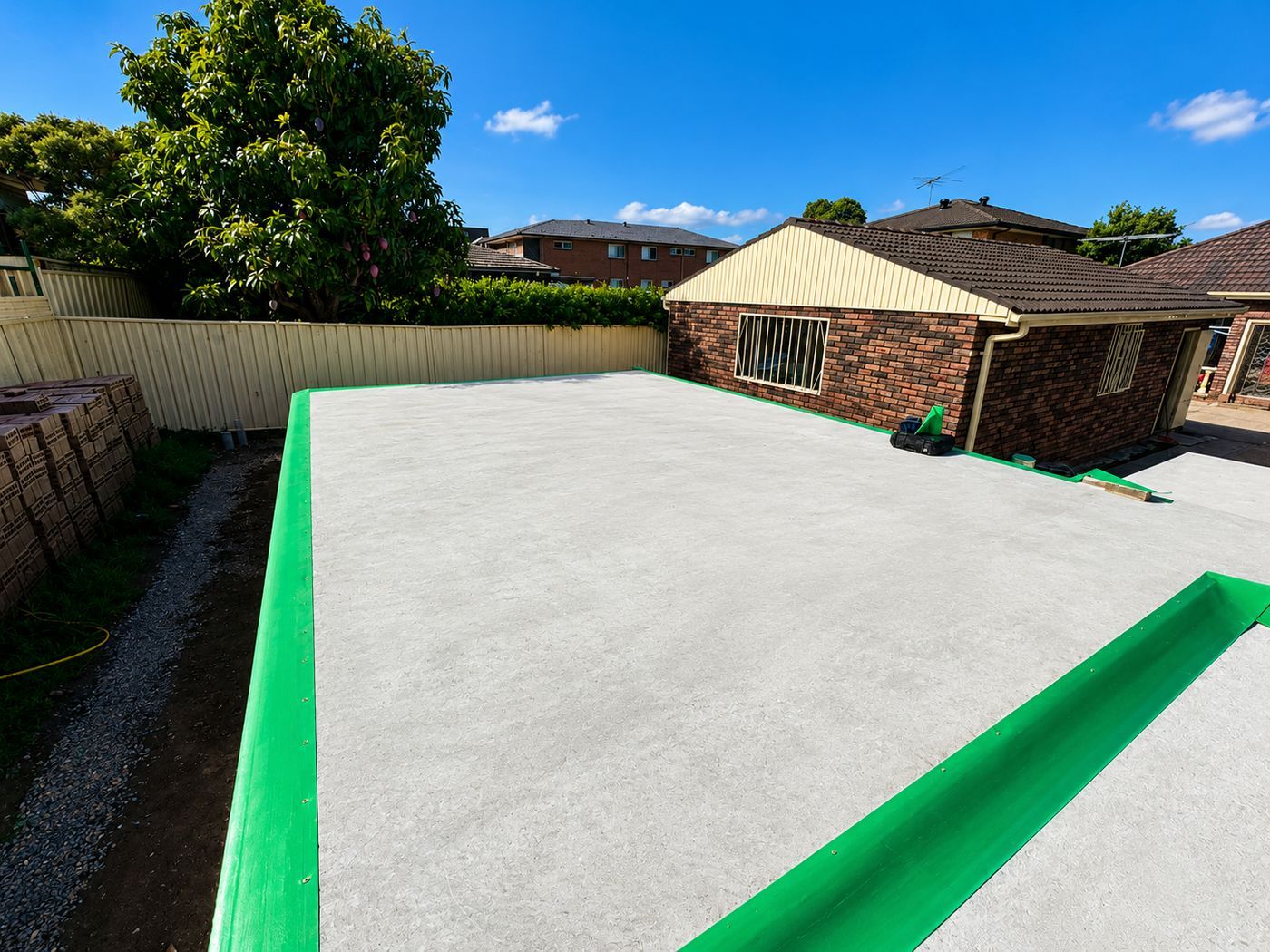
Finished slab with a continuous perimeter barrier
Step 06Handover

Owner advice

The owner gets simple care instructions and an inspection schedule so the system keeps doing its job for years.

Compare systems

Physical or chemical termite barrier?

Both can meet AS 3660.1. The best choice depends on your slab type, what surrounds the house and how much ongoing upkeep the owner wants.

Physical protection

Physical membrane, mesh or graded stone

No chemicals
  • How it worksA layer termites can't chew through, laid under the slab or around its edge.
  • Life & upkeepDesigned to last as long as the slab while it isn't disturbed. No top-ups.
  • Good fit forSlab-on-ground homes, and owners who prefer a non-chemical option.
Get this quoted Natural, lasting defence

Entry-point protection

Penetration collars

  • How it worksCollars sealed around each pipe and conduit that passes through the slab.
  • Life & upkeepLong-lasting when fitted properly before concreting.
  • Good fit forEvery slab, usually paired with a perimeter system.
Get this quoted Small detail, big difference

Soil protection

Chemical soil barrier

  • How it worksA treated zone of termiticide in the soil under and around the building.
  • Life & upkeepDepends on the product label and soil conditions. Can be re-applied.
  • Good fit forTighter budgets and some complex sites.
Get this quoted Flexible and provable

Top-up protection

Reticulation system

Rechargeable
  • How it worksPipes laid before paving so termiticide can be pumped back into the soil.
  • Life & upkeepCan be recharged for the life of the building without lifting paths.
  • Good fit forHomes that will be surrounded by paving or landscaping.
Get this quoted Protection you can renew

Most of the Sydney builds we work on use a combination: physical collars on every penetration plus a physical or chemical perimeter.

Our technician installing a pre-construction termite barrier
Our technician installing a perimeter barrier on a live Sydney site.

For builders & developers

Built around your program, not ours

Builders, developers and owner-builders get a fixed quote from plans, a technician who turns up when the site is ready, and paperwork that never holds up sign-off.

What we need to quote

Architectural or slab planSlab type: raft, waffle pod or suspendedSite addressRough pour dateRetaining wall & step-down details

Fitting in with your trades

  • Collars in before the pour inspection
  • Slab edge & cavity as walls go up
  • Perimeter done before paving

Multi-unit & repeat work

Consistent pricing across lots, one point of contact and a full document set for every dwelling.

No certification delays

Missing durable notices and unclear install records are a common reason Occupation Certificates get held up. We hand everything over together so your certifier has it all in one go.

Paperwork

Everything you get at handover

A complete document set for the builder, the certifier and every future owner of the property.

Durable notice

A permanent notice in the meter box showing the system, install date, installer, any chemical's life expectancy and inspection advice.

For: certifier, owner, future owners

Installation certificate

Written confirmation of the system and products used, the areas protected and our licence details.

For: builder, certifier, owner

Product information

Details of the physical system or termiticide installed, including safety data sheets for any chemicals.

For: builder, owner

Care & inspection advice

How to keep the system working, plus the recommended inspection frequency under AS 3660.2.

For: homeowner

Google reviews

What Sydney clients say about us

Real, verified reviews from homeowners and businesses we've worked with.

5.0
Read our reviews on Google
View

Pricing

What sets the price of a barrier

Every build is different, so we don't guess. We price from your plans and give you one fixed written quote. Quoting is free.

  • 01
    Slab area & perimeterBigger footprints need more material, more edge protection and more labour.
  • 02
    System typeFull under-slab, perimeter-only, chemical and reticulation options are all priced differently.
  • 03
    Number of penetrationsEach plumbing and electrical service through the slab needs its own collar.
  • 04
    Site complexityRetaining walls, step-downs, sandstone and suspended floors add detailing.
  • 05
    Number of visitsStaged installs follow your program. Multi-dwelling sites can often be combined.
  • 06
    Site accessTight blocks, steep driveways and limited street frontage slow the set-out and add time on site.
Get my fixed quote

After handover

Keeping the barrier working

A barrier only works while it stays intact and visible. Pass these on to the owner.

  • Keep at least 75 mm of the slab edge exposed. Don't cover it with soil, mulch or paving.
  • No garden beds or stacked timber against the house
  • Keep weep holes clear of render and debris
  • Fix leaking taps, downpipes and hot water units near the walls
  • Ask the installer before drilling through the slab or adding pipes
  • Book a timber pest inspection at least every 12 months
75 mm EXPOSED EDGE BARRIER UNDER THE SLAB
The inspection zone. An exposed strip of slab edge lets anyone spot termite mud tubes before they reach the frame, which is why paving, soil and mulch must stay below it.
Annual timber pest inspection Handed over recently? We inspect the barrier and the building every 12 months.

Free fixed quote

Protect your build
before the pour

Tell us about your build and get a clear, fixed price, fast. We usually reply within 30 minutes during business hours.

  • Send your detailsBuild type, suburb and rough slab pour date.
  • Share your plansSlab plan or architectural drawings, plus any retaining wall details.
  • Get your fixed quoteOne written price covering every installation stage.
Prefer to talk it through?+61 450 515 215 We're here to help 7 days, 7am to 9pm.
  • Fast responseWithin 30 mins
  • Licensed expertsQualified & insured
  • Trusted locallyAcross Sydney

Get a fixed quote

Tell us about your build

Usually reply
within 30 minutes
Plans (optional)
0/1200

Your details are safe with us. We never share your information.

Croydon Park questions

Answered

Still unsure? Call and talk it through with a licensed technician.

+61 450 515 215
Does being close to the Cooks River change what termite barrier a Croydon Park home needs?

The AS 3660.1 requirement is the same, but riverside blocks tend to hold more moisture in the ground than a block set well back from the water, and that moisture is what subterranean termites rely on to travel. We size the under-slab and perimeter work to that wetter setting, and check drainage around the slab edge more closely than we would further from the Cooks River.

Which council certifies a Croydon Park rebuild?

It depends on where the property sits, since the suburb is divided between the City of Canterbury-Bankstown, the Municipality of Burwood and Inner West Council. Whichever certifier is involved, they need the same durable notice in the meter box and installation certificate before the Occupation Certificate can be issued, so we confirm the right council early.

Do the parks around Croydon Park affect termite pressure on nearby homes?

Reserves like Picken Oval, Lees Park, Jackson Park, Martin Reserve and Graham Reserve hold leaf litter and mulch that can shelter termite activity close to residential yards. Blocks near any of these get the same full perimeter attention we give to a bushland-edge site, checking garden edges and fence lines carefully.

Does a new home need a termite barrier in NSW?

In most cases, yes. The National Construction Code requires a termite management system for new houses and outbuildings in termite-prone areas where the primary building elements can be damaged by termites. Sydney is termite-prone, so the system is installed to AS 3660.1 and your certifier asks for the installation certificate and durable notice before the Occupation Certificate is issued.

What does a pre-construction barrier cost?

It depends on slab area, perimeter length, the number of pipe penetrations, the system chosen, site complexity and how many visits the build needs. Send us the plans and we return one fixed written quote covering every stage. Quoting is free.

Nearby

We also install barriers around Croydon Park

Same crew, same staging and the same certifier-ready paperwork, right across the Inner West.

Service areas

Termite barriers across 379 Sydney suburbs

From the Eastern Suburbs and Inner West to the Hills, the Shire and the western growth corridors. Every suburb has its own page with the local ground conditions, the council that certifies the work and the questions builders there ask us.

Slab pour coming up?

Lock in your termite barrier before the concrete truck arrives

Send us your plans today for a fixed quote, or call and talk to a licensed technician about your site.

Termite barrier work on a Sydney Harbour building site